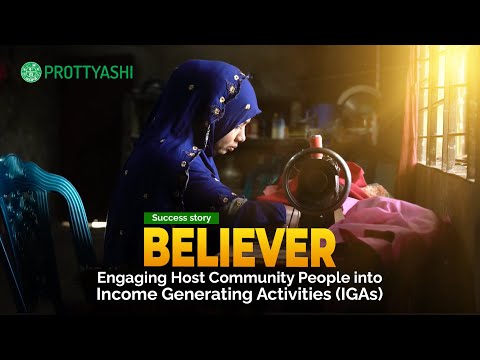

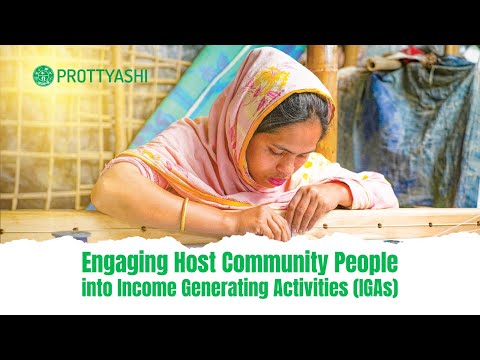
Engaging Host Community People into Income Generating Activities (IGAs)
In response to the humanitarian and socio-economic crisis triggered by the influx of Rohingya refugees and the COVID-19 pandemic in Cox’s Bazar, this project aimed to strengthen the resilience and income-generating capacity of vulnerable host community members in Ukhiya Upazila. The project was initiated to restore the self-reliance and economic resilience of vulnerable host communities in Ukhiya Upazila, Cox’s Bazar, who were severely impacted by the combined effects of the Rohingya influx and the COVID-19 pandemic. It aimed to enable men, women, and youth to regain their livelihoods by equipping them with relevant skills, assets, and market access for sustainable income generation.
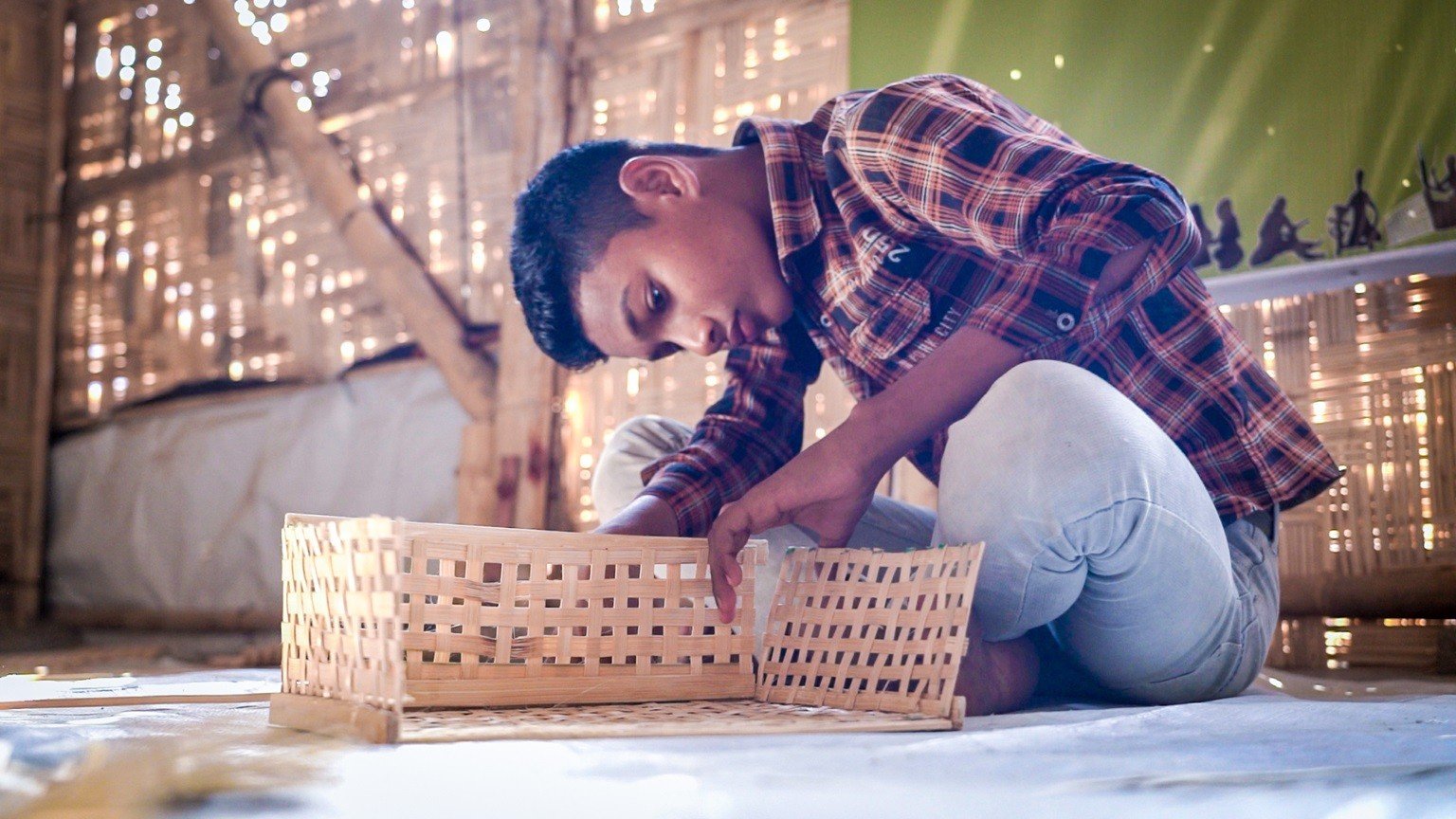
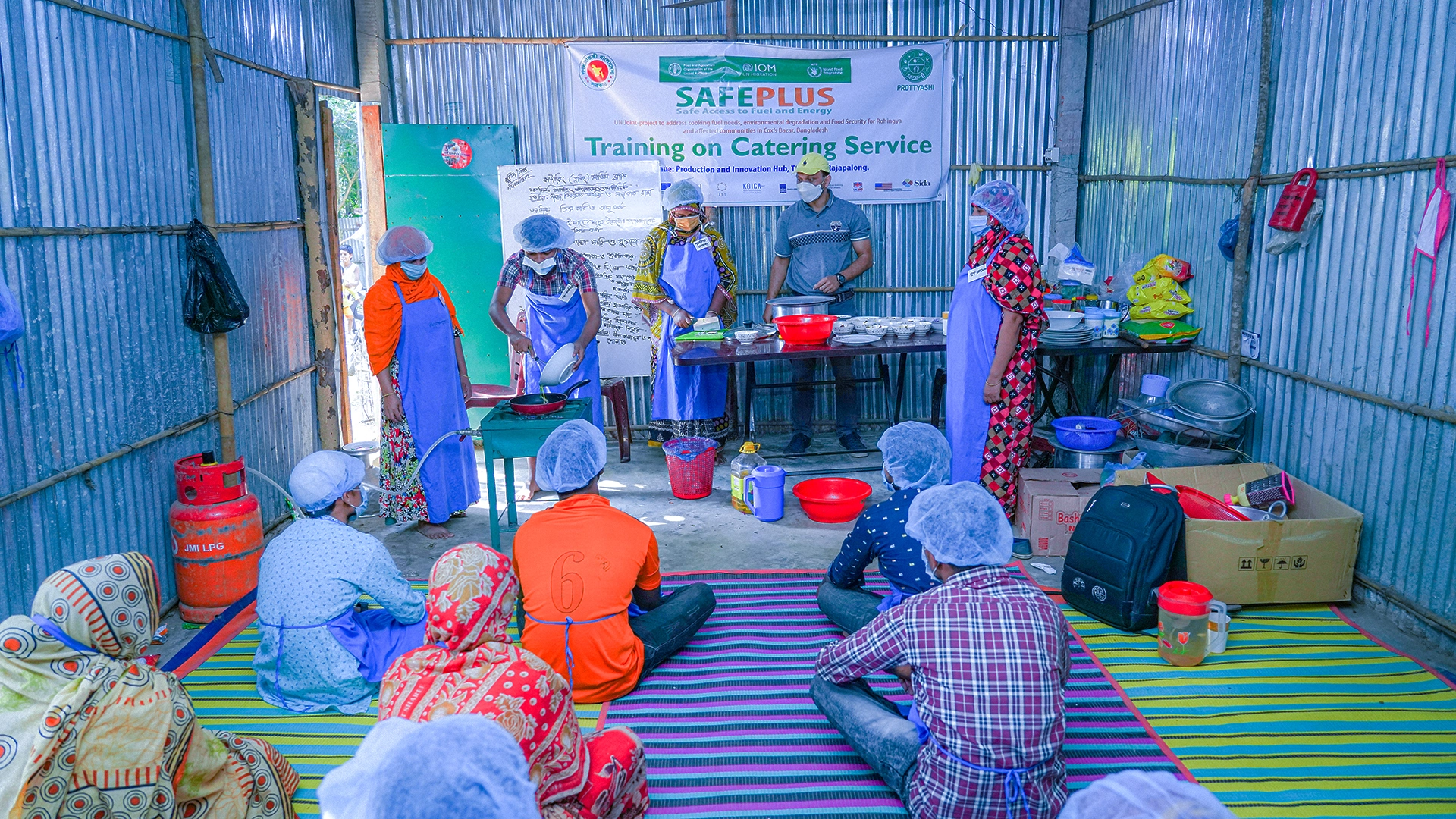
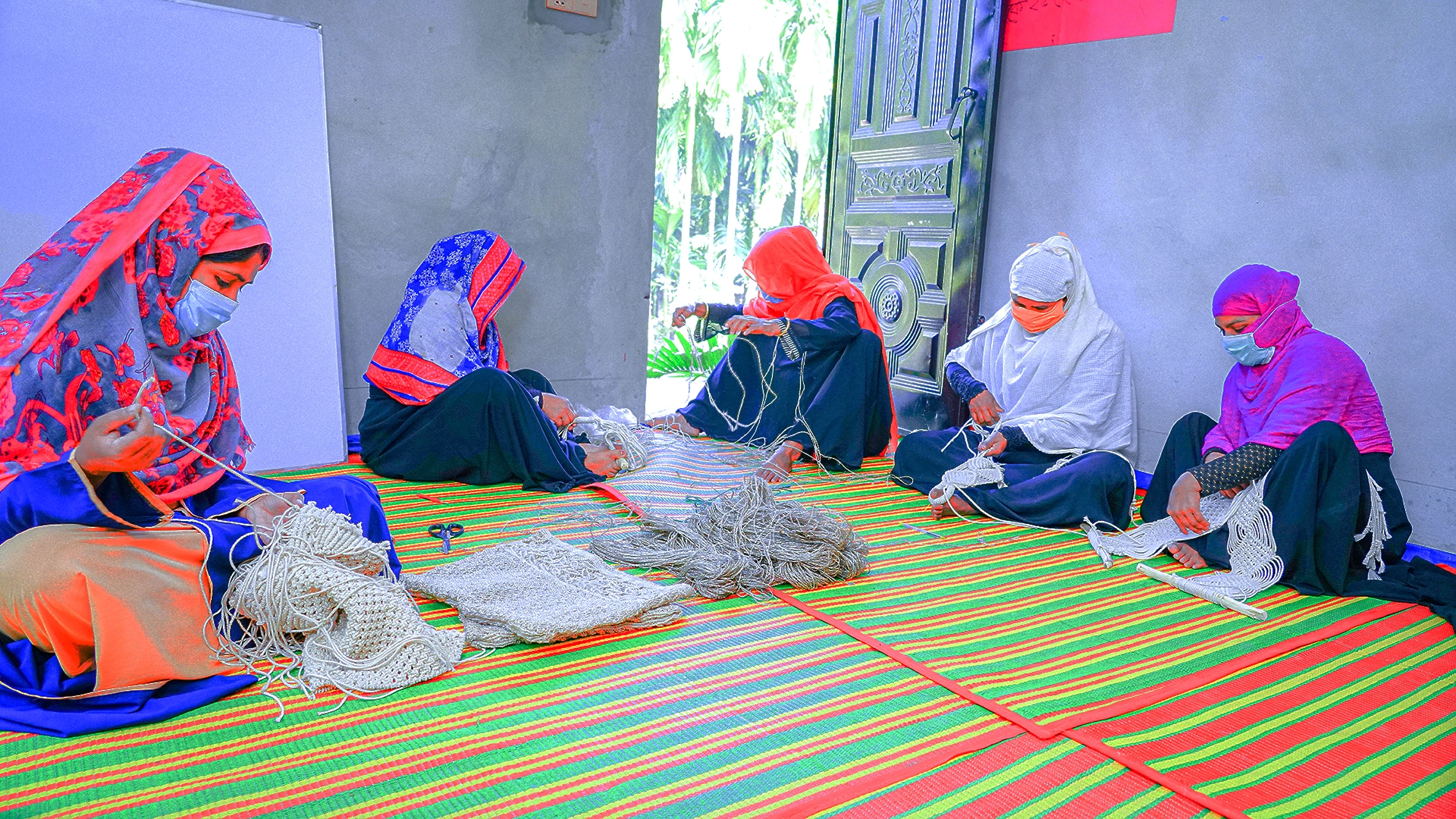
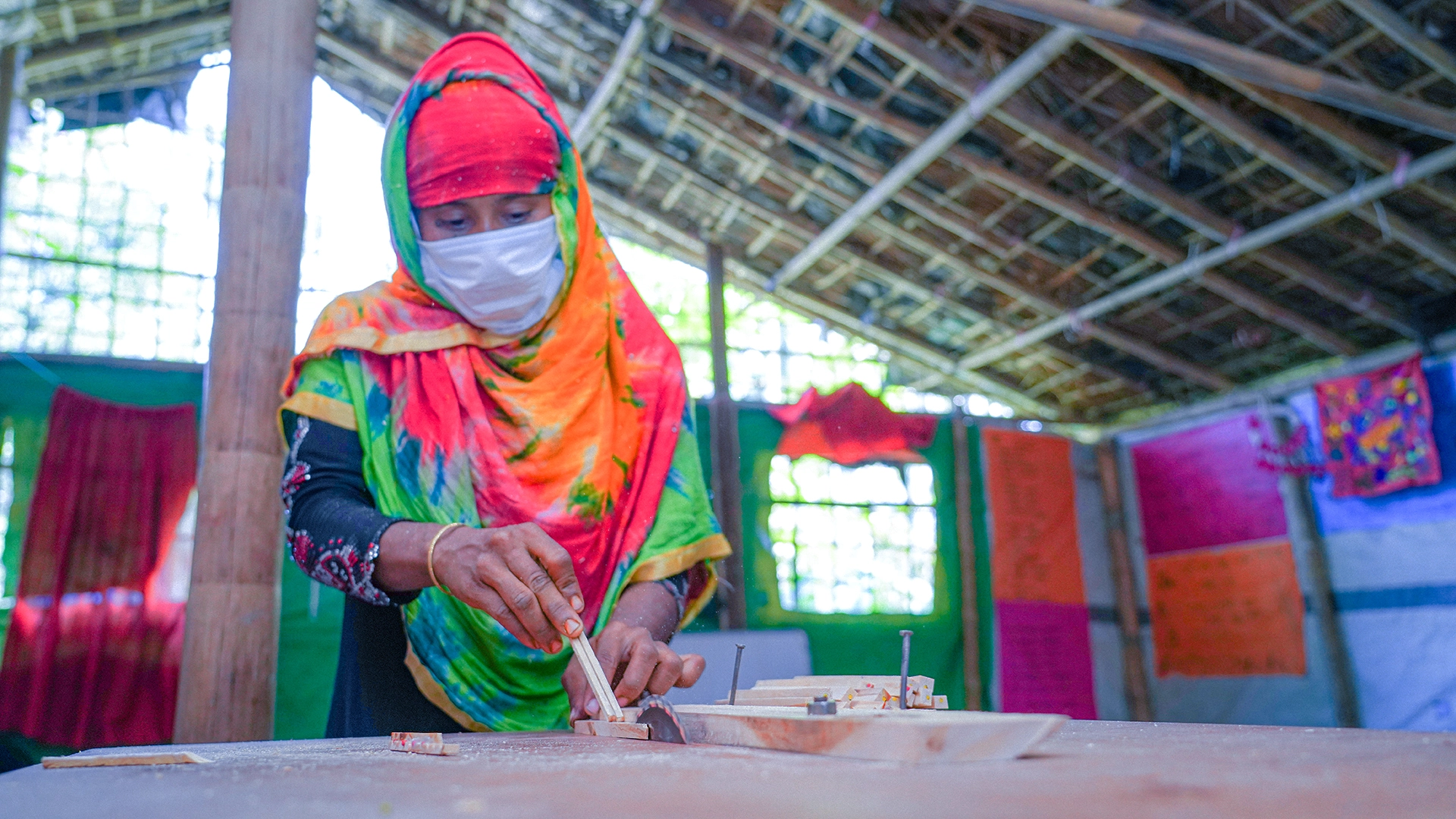
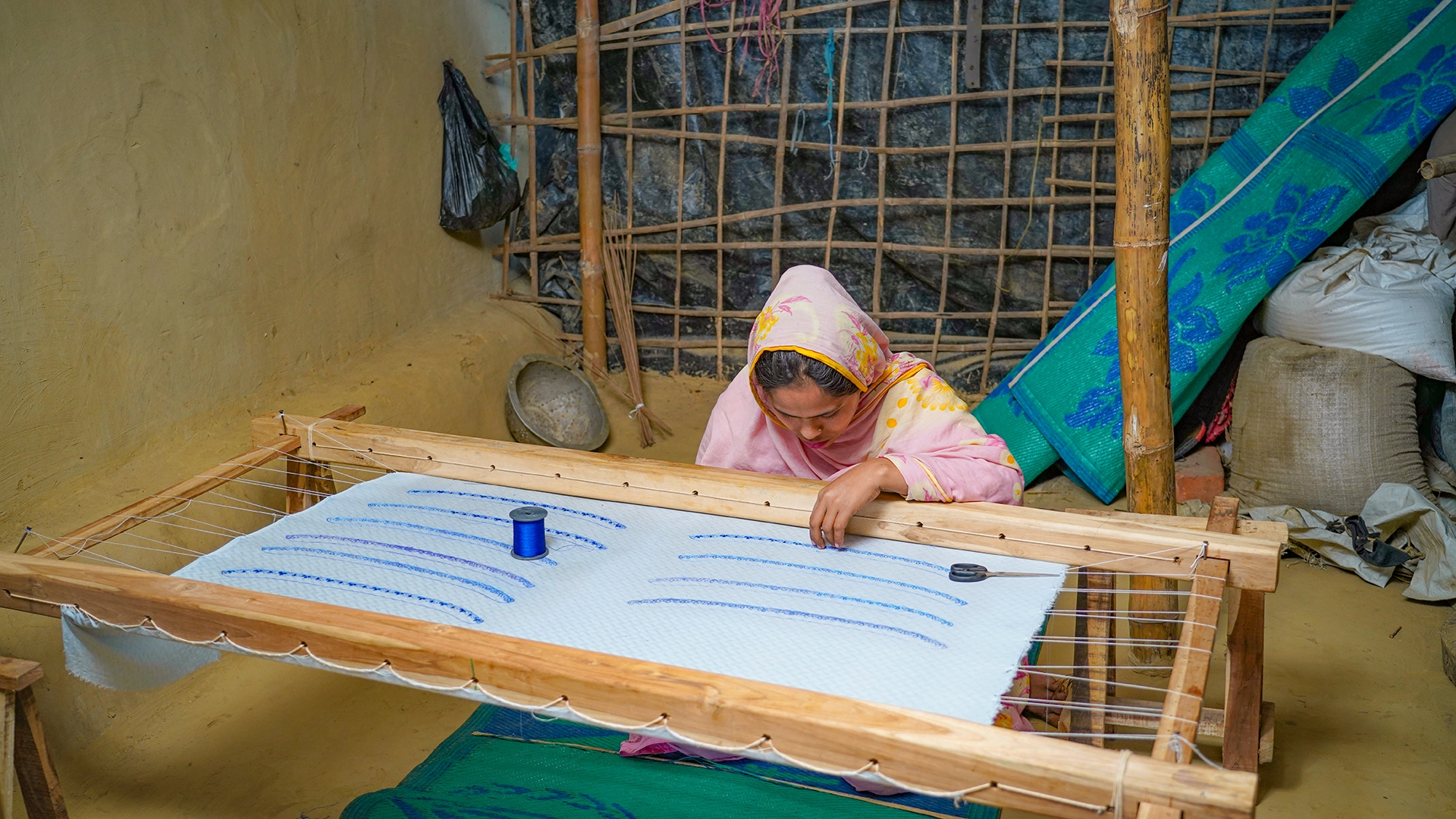
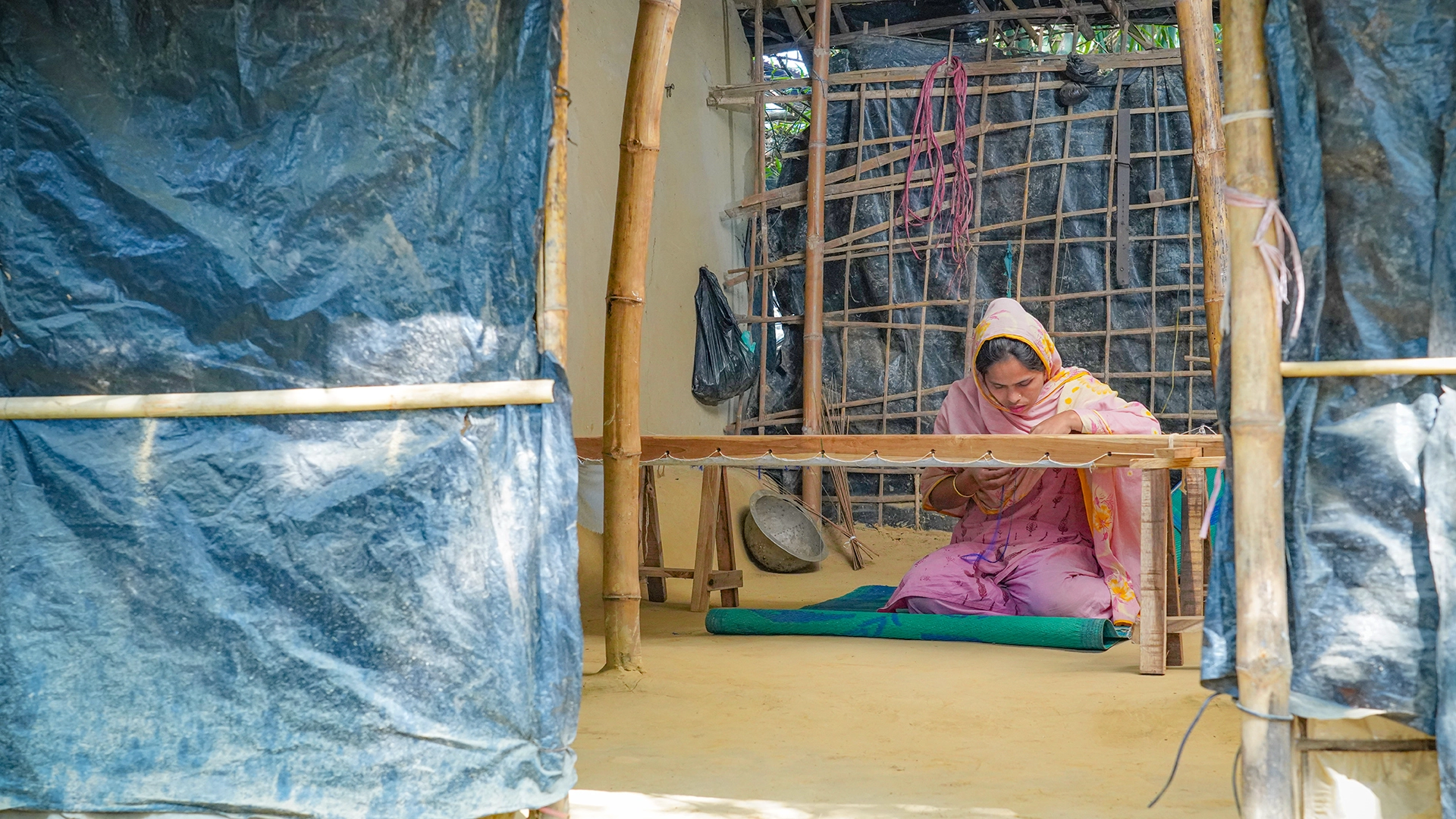
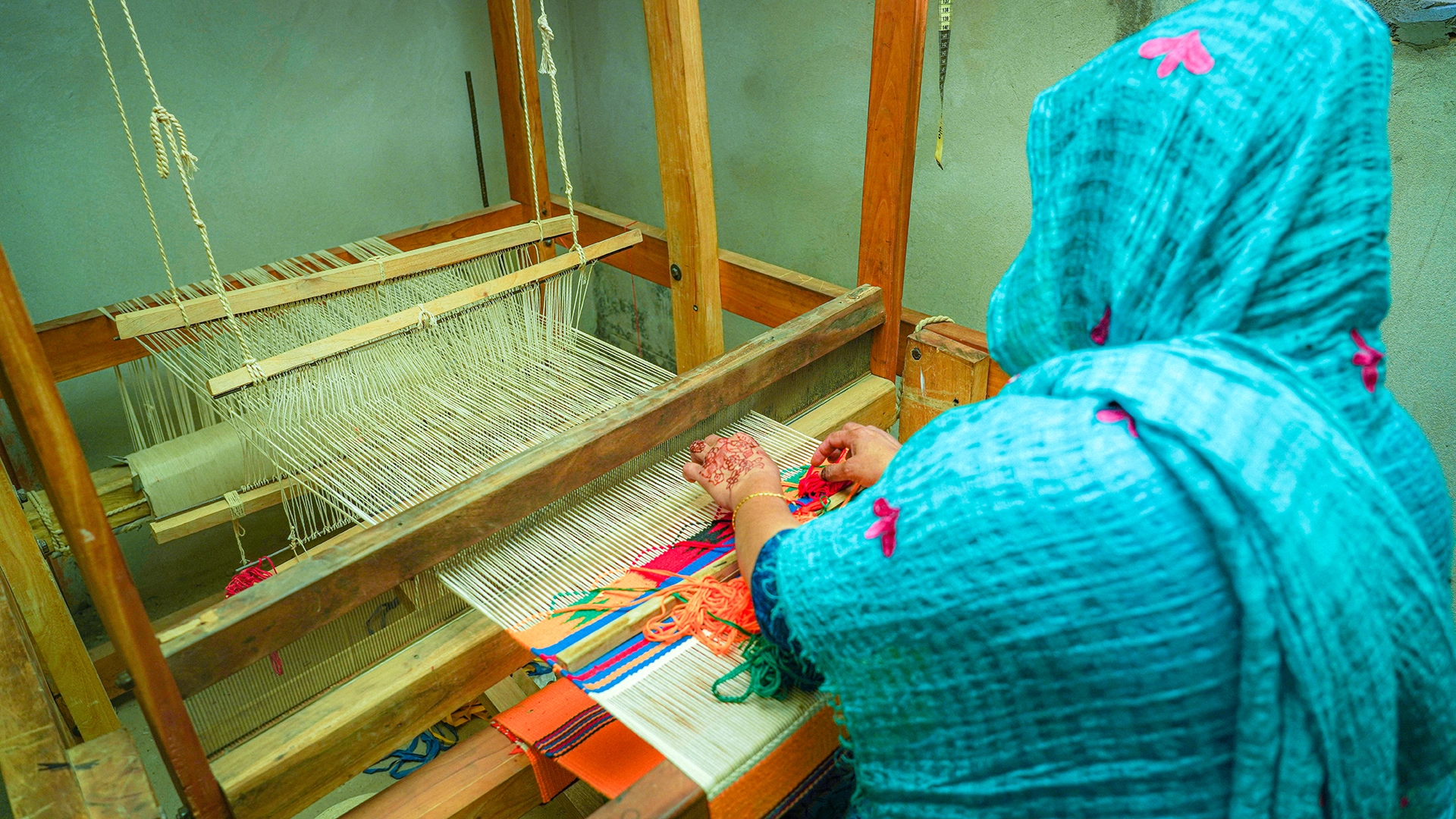
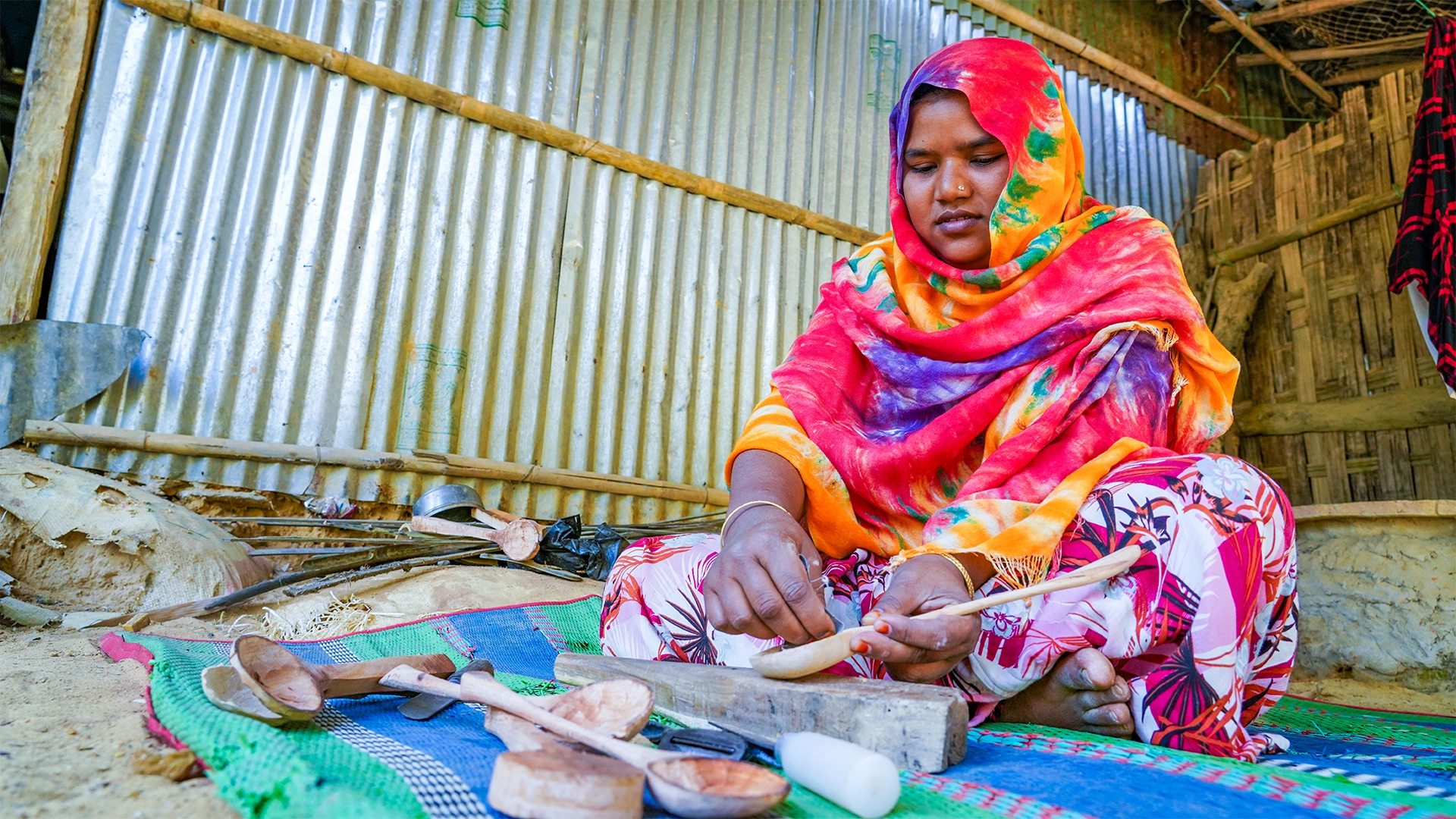
At the core of the initiative, a comprehensive skill development training was provided to 749 targeted beneficiaries on trades including bamboo and jute crafts, food processing, sewing, hand stitching, embroidery, plumbing, and electrical wiring. In addition to vocational training, beneficiaries also received business development training to strengthen their entrepreneurial mindset and financial literacy.
Following the training, the project provided input support—such as raw materials, equipment, and production tools—enabling beneficiaries to start or expand their own enterprises or engage in employment-generating activities.
To cover up the immediate economic shocks caused by the COVID-19 pandemic, all 749 beneficiaries were also supported with an unconditional cash grant of BDT 9,000 early in the project period. This support helped stabilize their households during the crisis and prevented negative coping strategies.
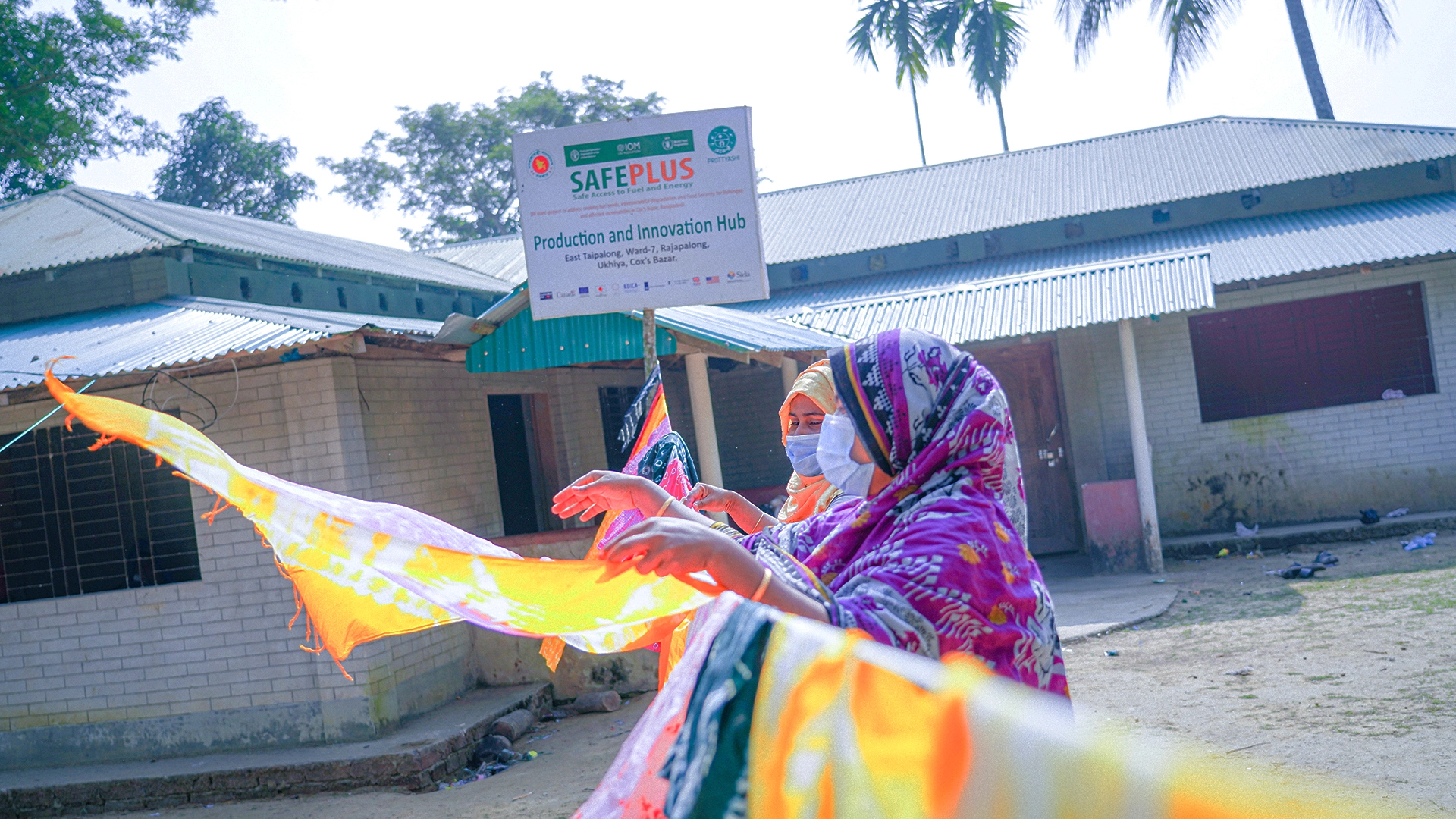
To ensure long-term sustainability, the project offered strong market linkage support through both direct buyer engagement and third-party facilitation. Beneficiaries have been producing goods in Production and Innovation Hubs (PIHs) and receiving work orders, for which they are being paid directly—contributing significantly to increased household income.
In parallel, the project developed a digital e-commerce platform—“Grassroots Cox’s Bazar”—to showcase and sell beneficiary-made products to a broader audience, thereby establishing an automated and sustainable customer-producer connection.
To institutionalize support and ensure sustainability beyond the project’s lifecycle, 9 Community-Based Organizations (CBOs) were formed across the PIHs. These CBOs have received trade licenses and opened bank accounts to manage beneficiary-led production activities independently.
In addition, the project ensured accountability and transparency by establishing a Complaint and Feedback Mechanism (CFM), and also conducted capacity building training for staff to improve the quality of implementation.
Through these comprehensive and integrated interventions, the project has significantly improved livelihoods, increased income levels, and enhanced the economic resilience of vulnerable host community members in Cox’s Bazar.
Major Achievements
749
The project enhanced resilience and income generation for 749 vulnerable beneficiaries from Rohingya and host communities in Ukhiya, Cox’s Bazar.
198
Business development training was delivered to 198 beneficiaries, covering financial literacy, business planning, and management to improve enterprise sustainability.
9,000
To mitigate the economic impact of the COVID-19 pandemic, all beneficiaries were given unconditional cash grants of BDT 9,000 each.
9
Community-Based Organizations (CBOs) were formed and registered with trade licenses to ensure ongoing support and sustainability of beneficiary enterprises.
261,000
The project recorded over BDT 261,000 in earnings by beneficiaries, with income steadily increasing through continued production and market engagement.
Products were linked to local and national buyers through direct work orders, generating regular income for beneficiaries through cash or wage payments.
Tailored input support such as tools, equipment, and raw materials was provided to help beneficiaries start or expand their enterprises.
Beneficiaries began producing diverse products at home or within Production and Innovation Hubs, including clothing, crafts, and food items.
An online platform, “Grassroots Cox’s Bazar,” was developed to connect producers with wider markets and facilitate automated customer-producer linkages.
Restoring Livelihoods for 749 Families
The project empowered 749 vulnerable beneficiaries—mostly women—by providing skills training, start-up inputs, and cash grants. Through Production and Innovation Hubs and the “Grassroots Cox’s Bazar” platform, participants accessed regular work orders and wider markets. The formation of nine community-based organizations ensured sustainability, leading to increased income and long-term economic resilience.
Major Activities

Project Objective
To enhance the skills of men, women, and youths of the host communities in Ukhiya and enable them to increase household income.

Geographical Coverage
Ukhiya Upazila (Jaliapalong, Rajapalong, and Palongkhali union), Cox’s Bazar

Targeted Beneficiaries
Total 749 (Female: 690 Male: 59)
Programme Highlights
Empowering Ukhiya Communities Through Skills and Sustainable Livelihoods
The “Engaging Host Community People into IGAs” project (Jan 2020–Aug 2021), funded by IOM, supported 749 vulnerable individuals—mostly women—in Ukhiya, Cox’s Bazar. It enhanced income generation through hands-on vocational training in trades like sewing, bamboo/jute crafts, food processing, plumbing, and electrical wiring. Beneficiaries also received business development training, equipment, raw materials, and an unconditional cash grant of BDT 9,000 to overcome COVID-19 shocks. Market linkage support connected them to buyers through Production and Innovation Hubs and an e-commerce platform, “Grassroots Cox’s Bazar.” Nine community-based organizations were formed to ensure sustainability. This integrated approach restored livelihoods, strengthened resilience, and increased household income for crisis-affected host communities.
Our Impact in Action
Save Smile, Save People
In the host communities of Cox’s Bazar and Teknaf, the influx of Rohingya refugees in 2017 brought significant financial and social challenges for many local families. To address this, 𝐏𝐑𝐎𝐓𝐓𝐘𝐀𝐒𝐇𝐈, in partnership with IOM, launched the ‘Engaging Host Community People in Income Generating Activities’ project under the Safe Plus programme. The project aims to empower marginalized individuals by providing training in handicraft and handmade product creation—helping them build alternative sources of income, support their families, and contribute to the national economy. Ultimately, the initiative encourages people to explore simple, sustainable livelihood options beyond traditional jobs, promoting financial independence and resilience.
Project Gallery
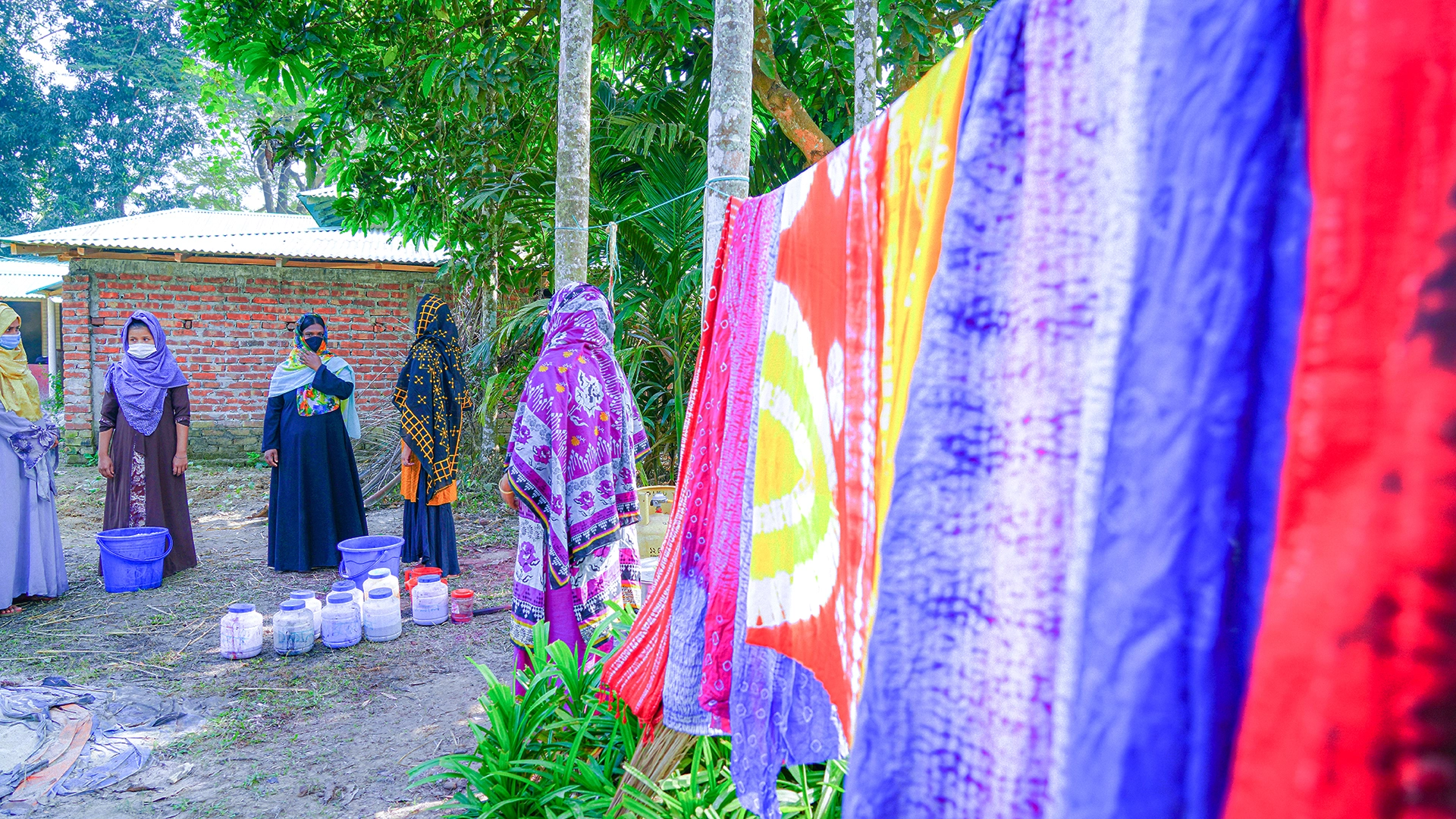
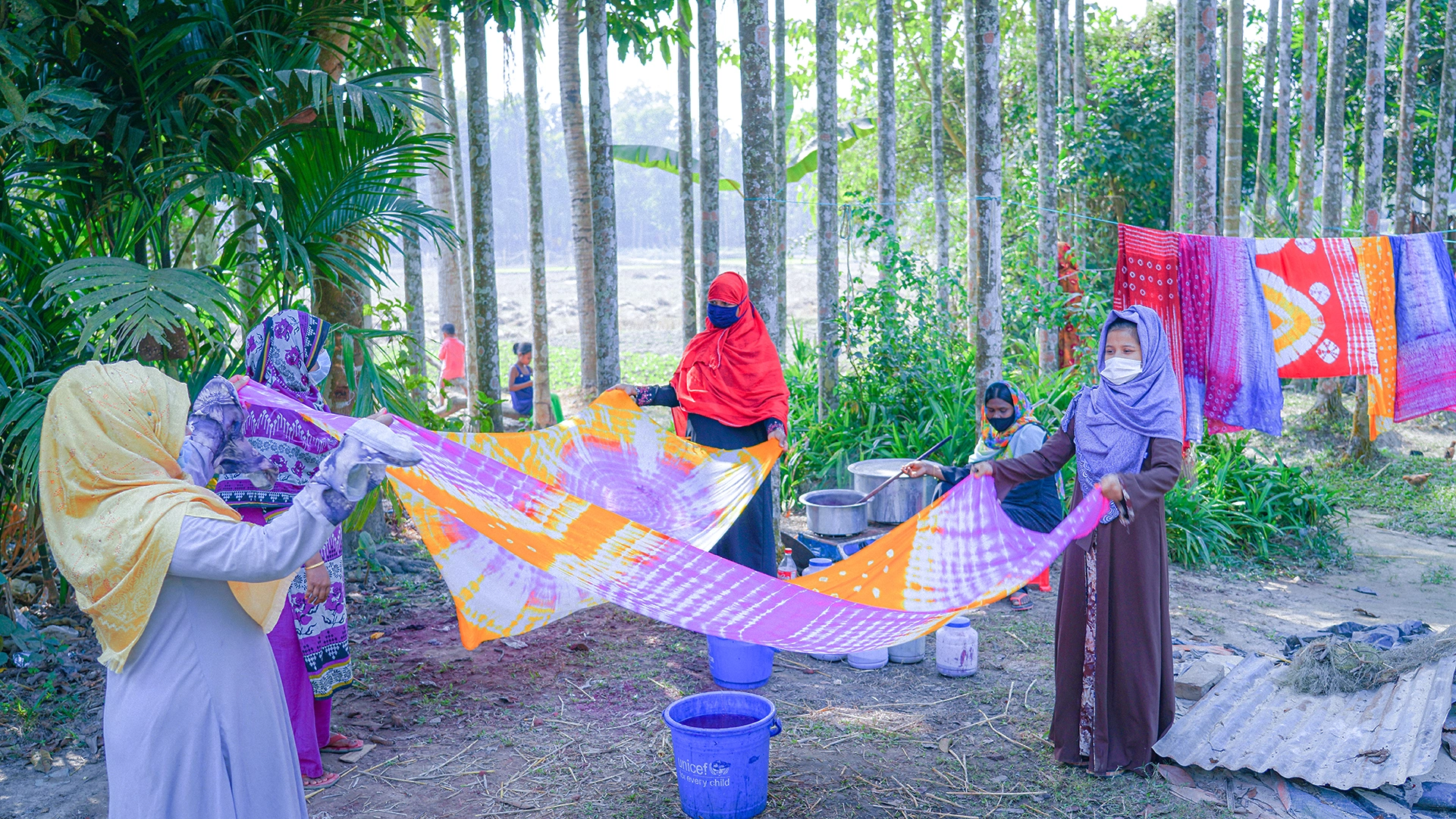
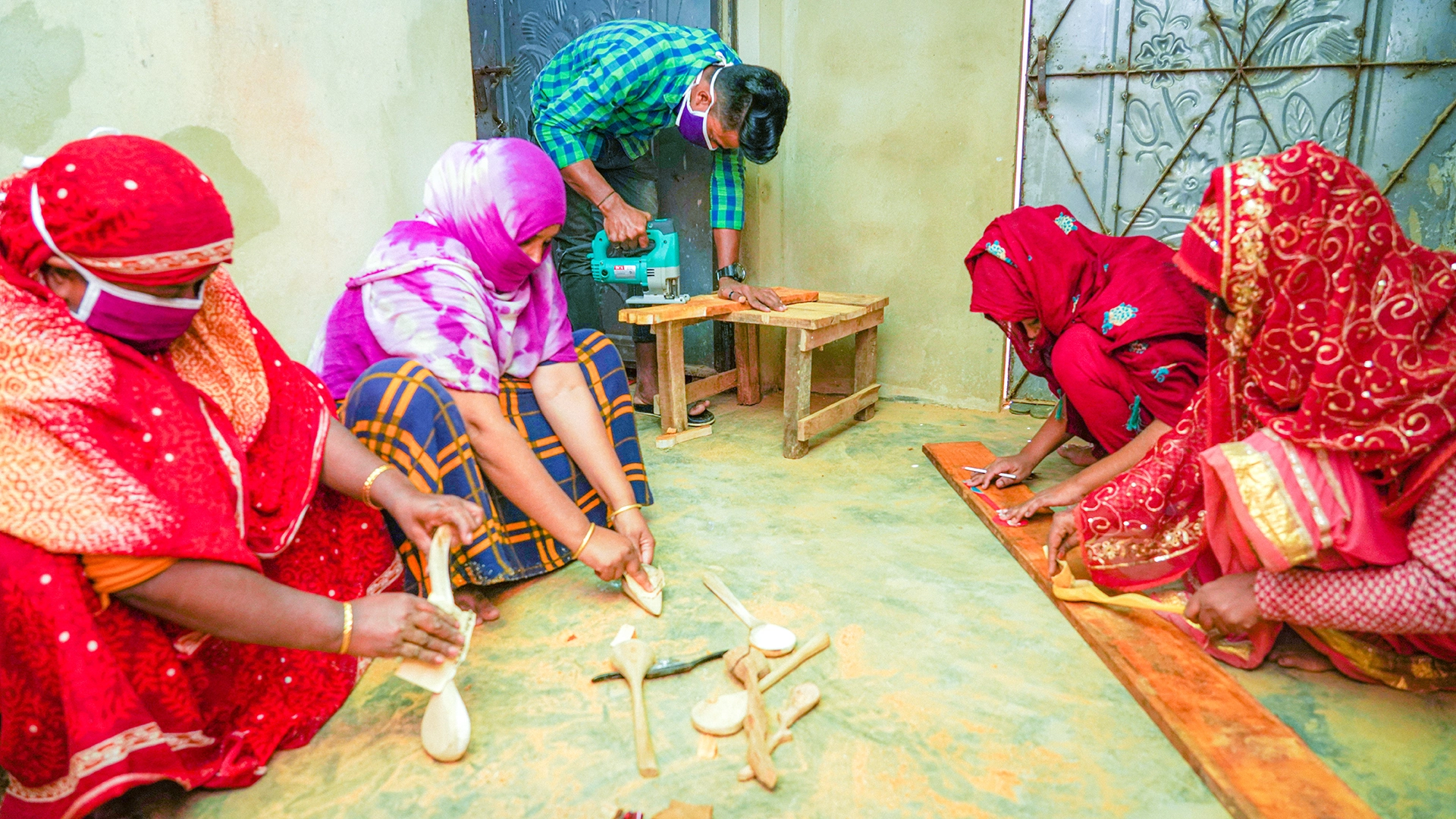
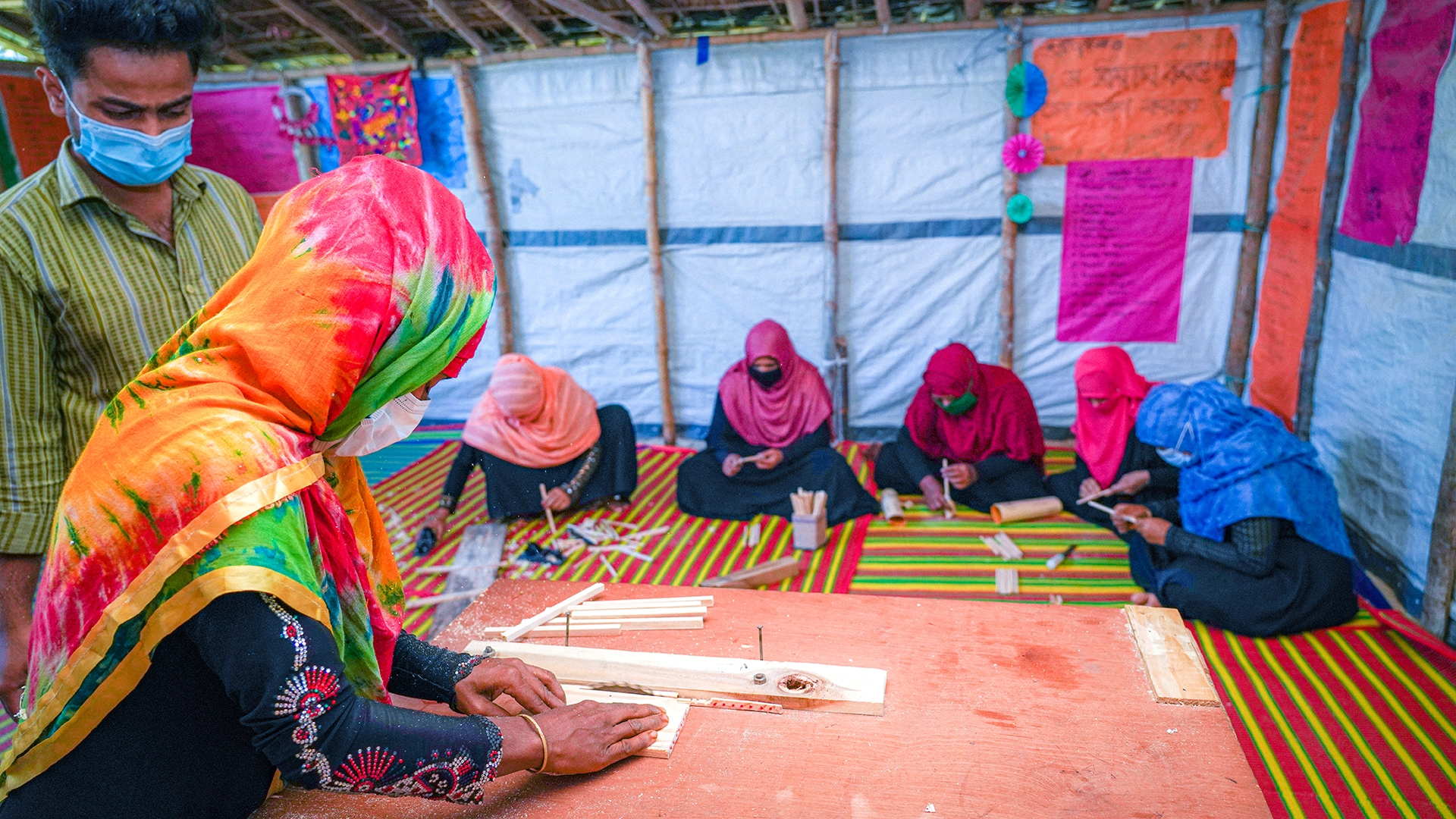
Success Stories
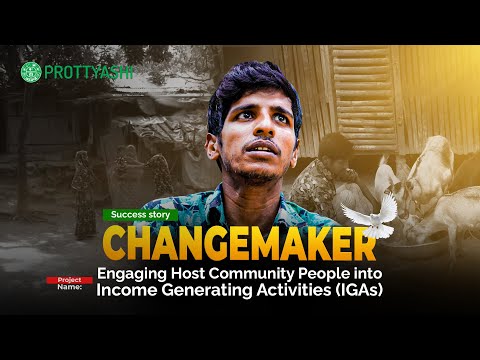
Changemaker
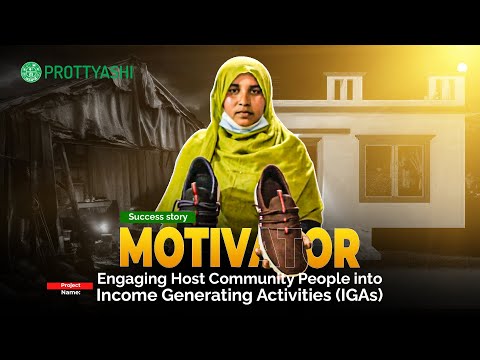
Motivator