

PROTTYASHI

Livelihood

Green Skills Development

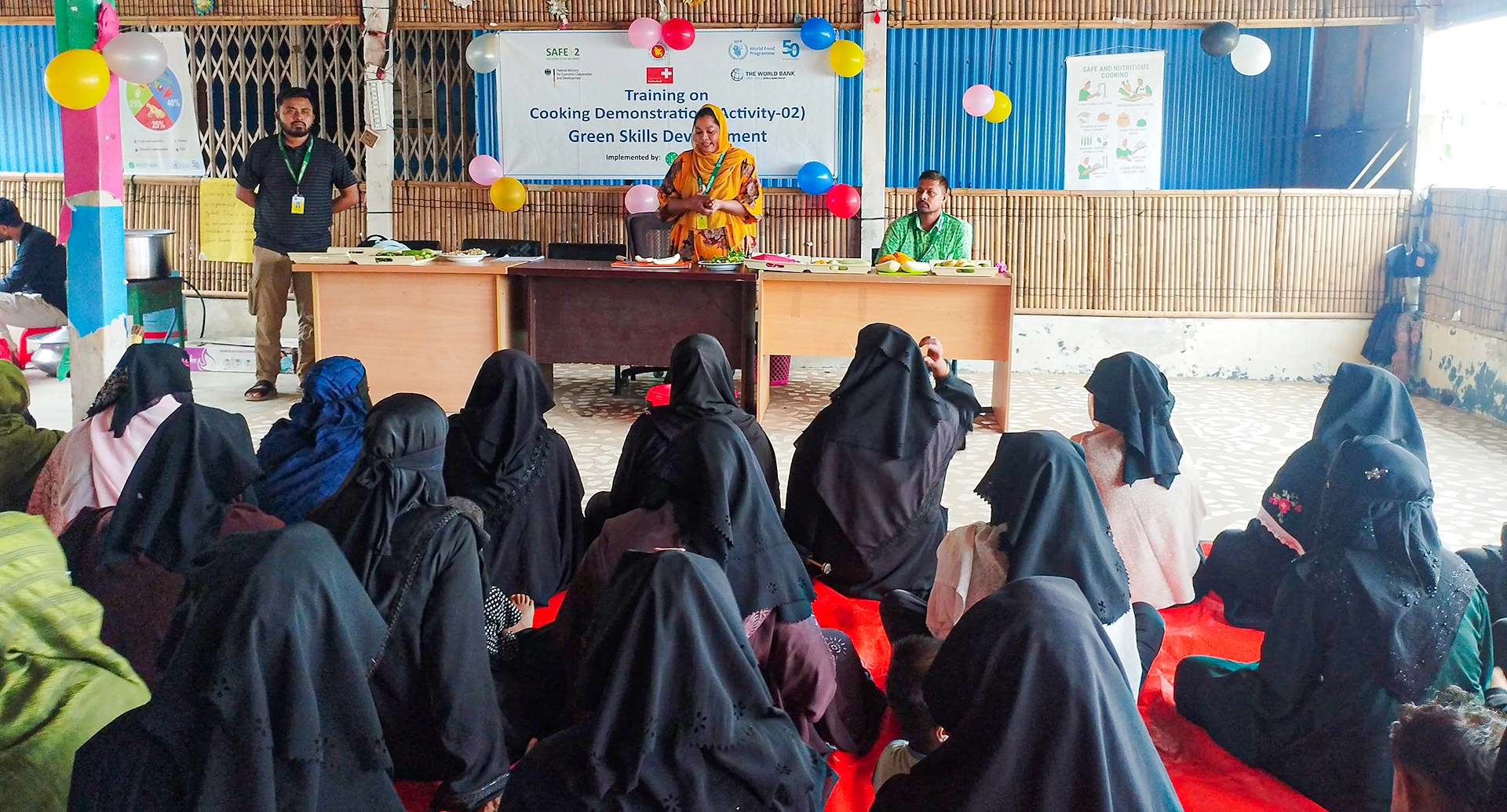
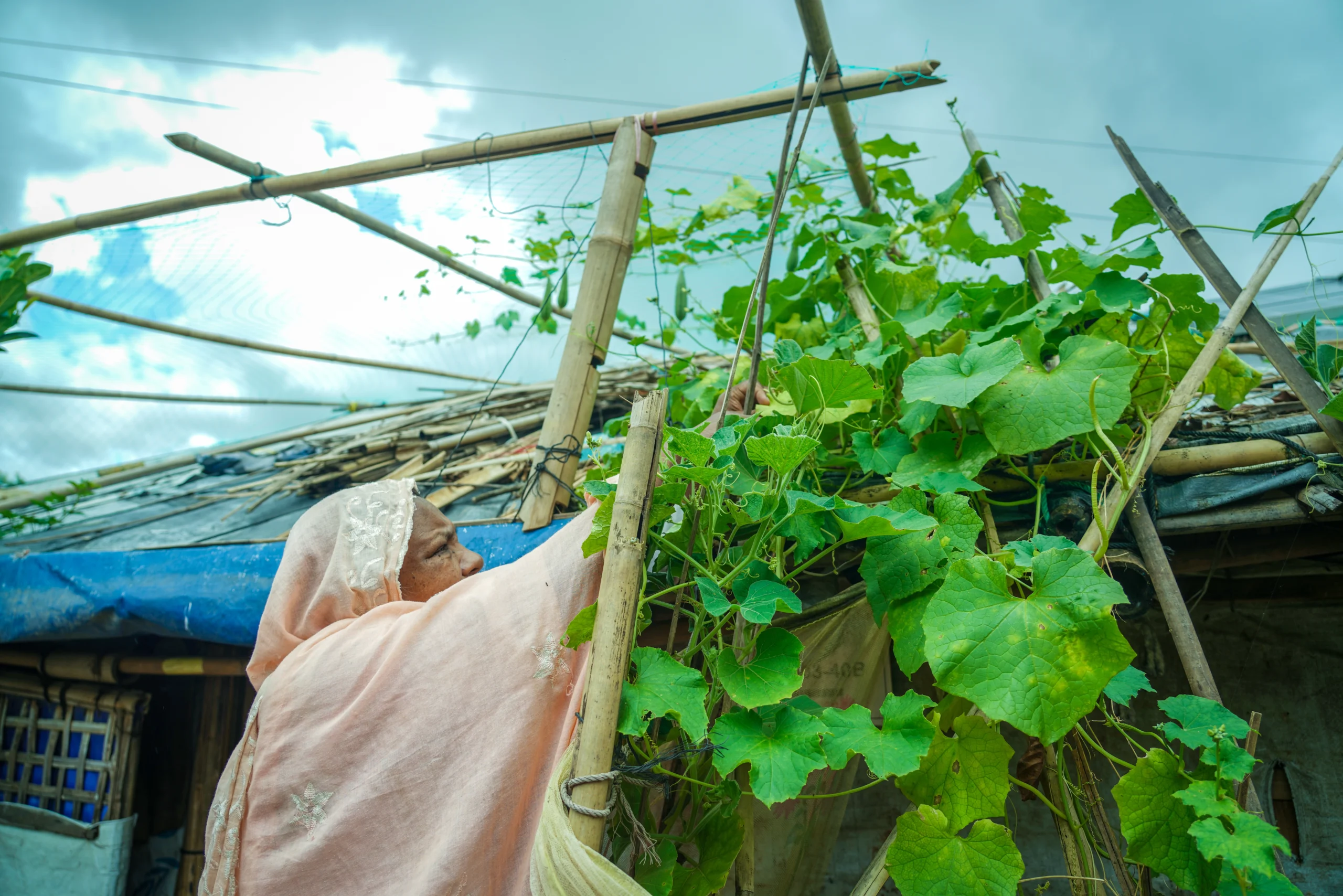
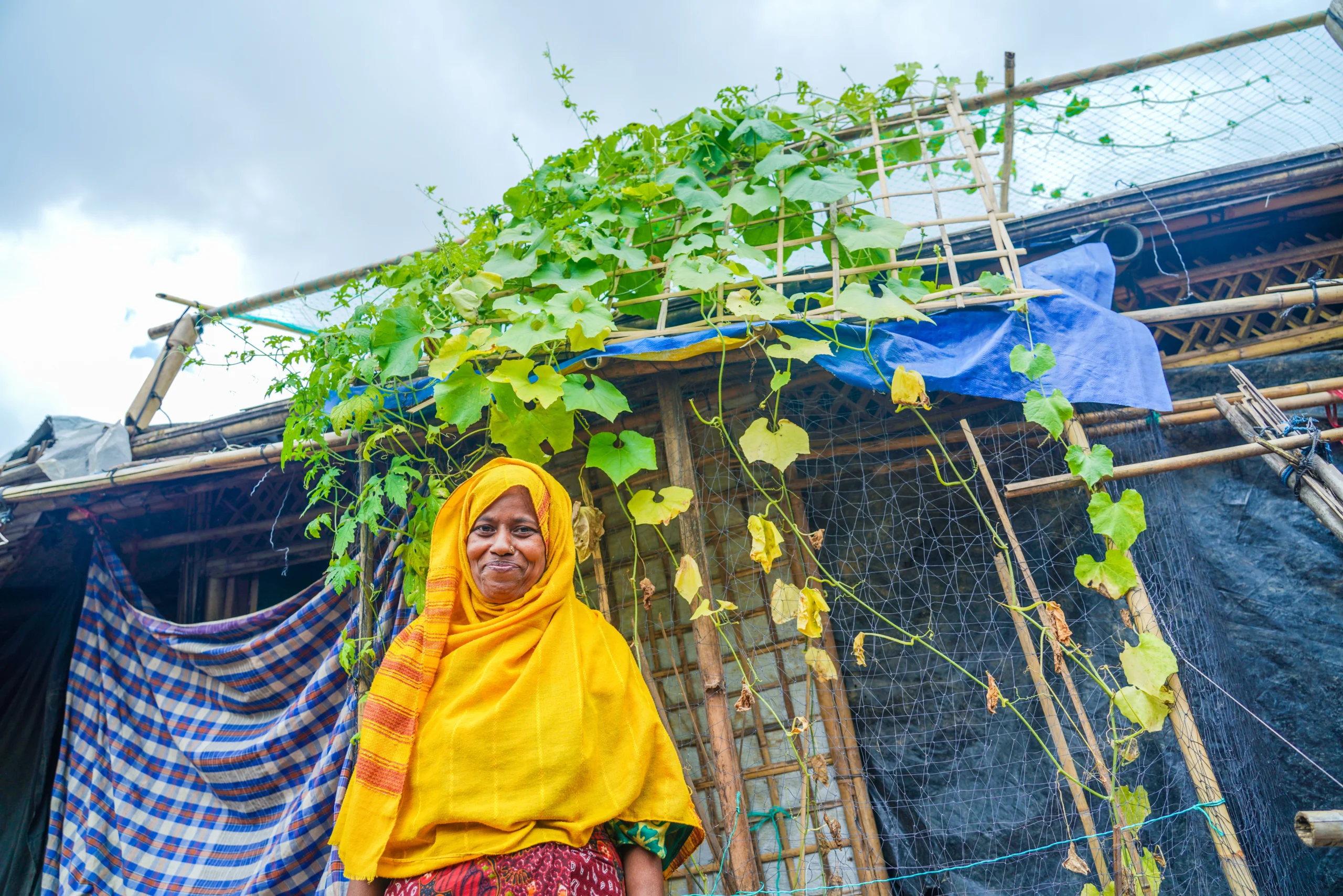
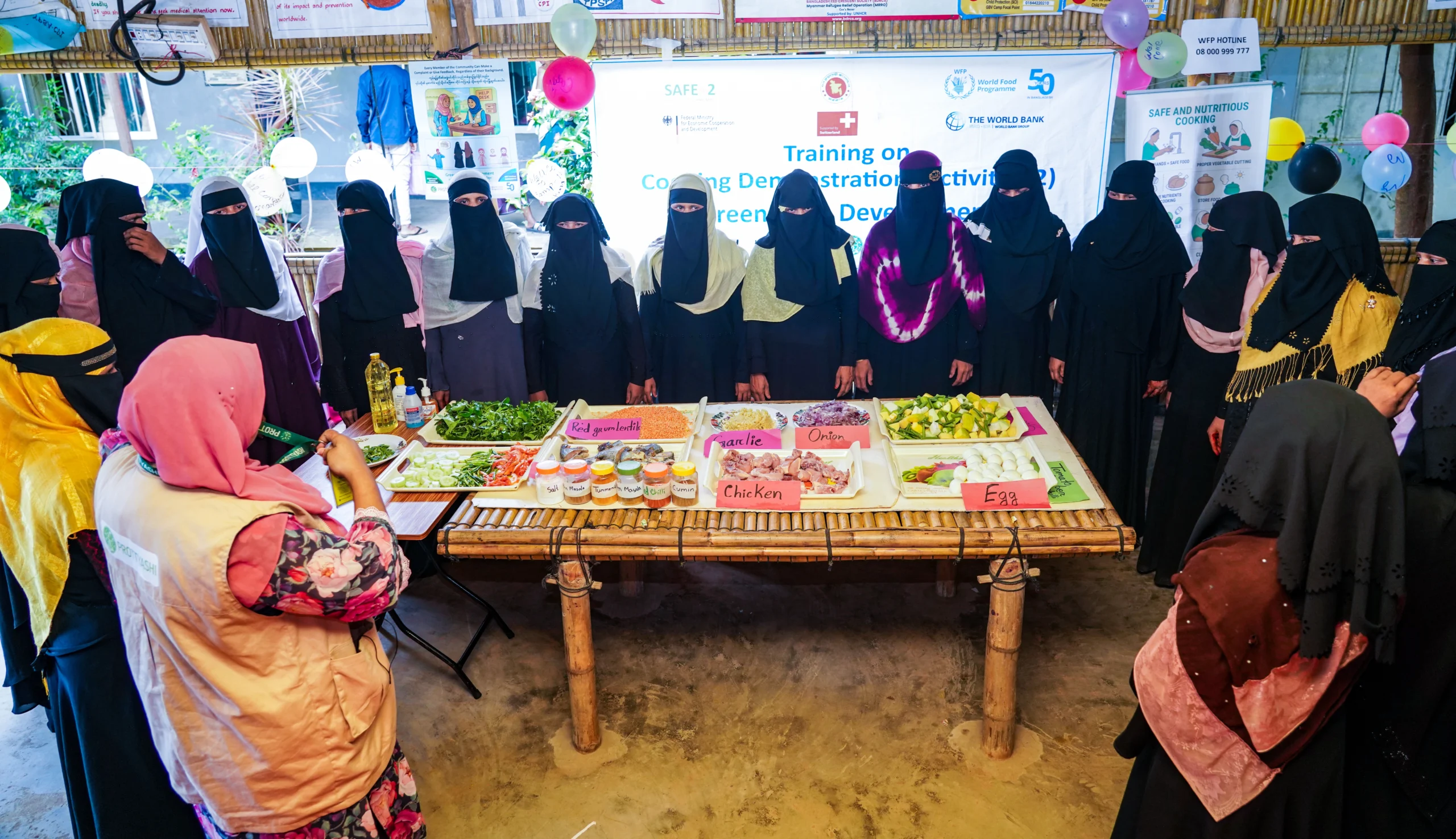
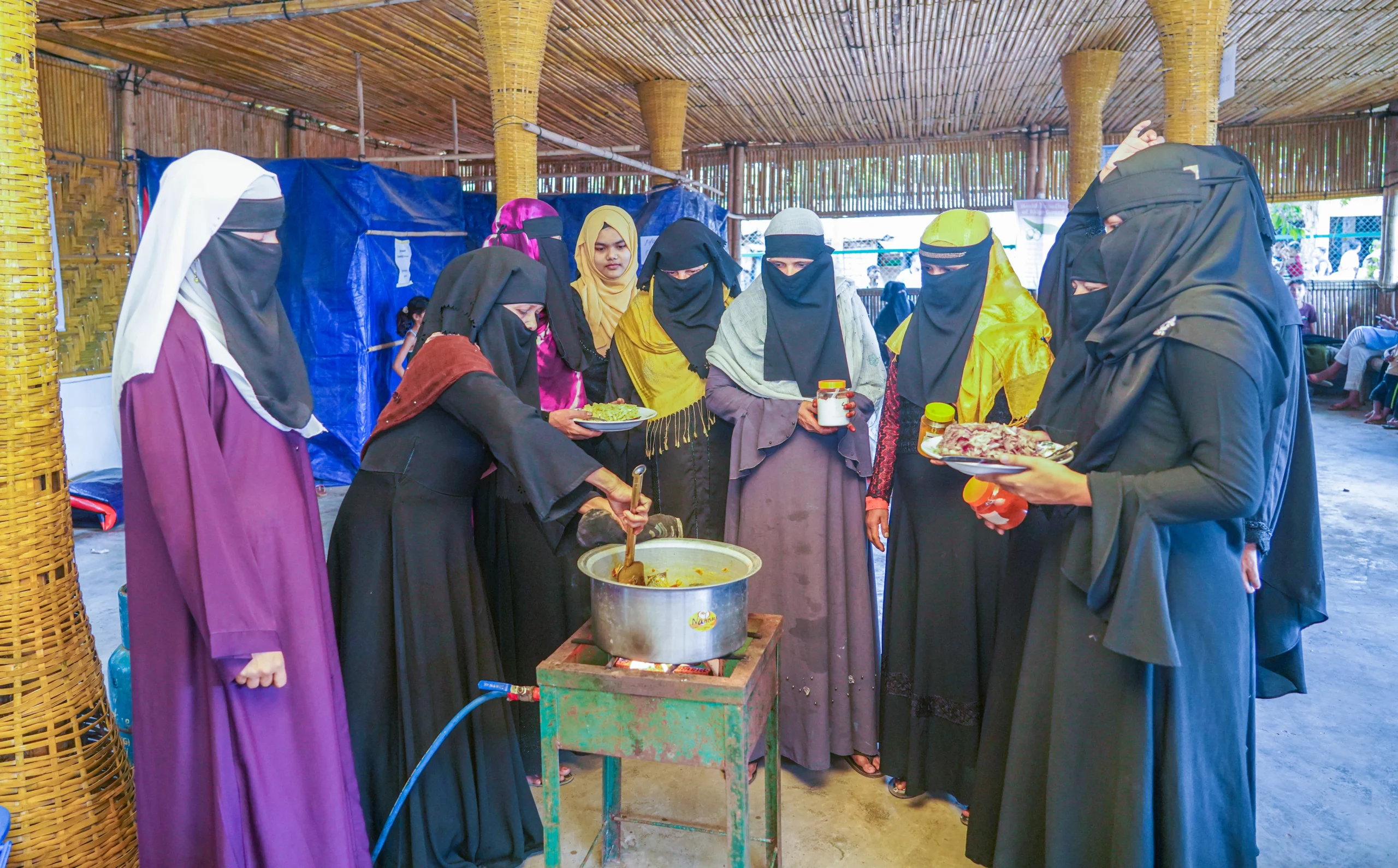
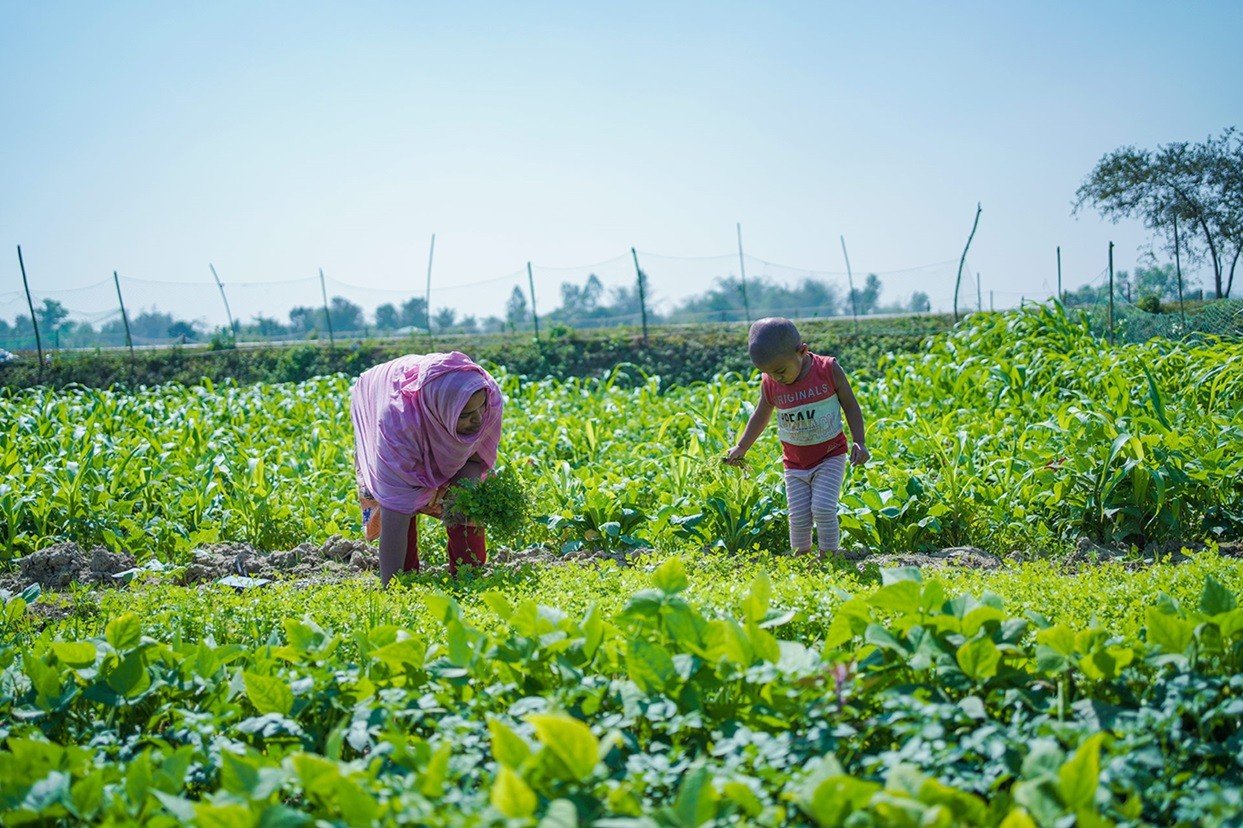
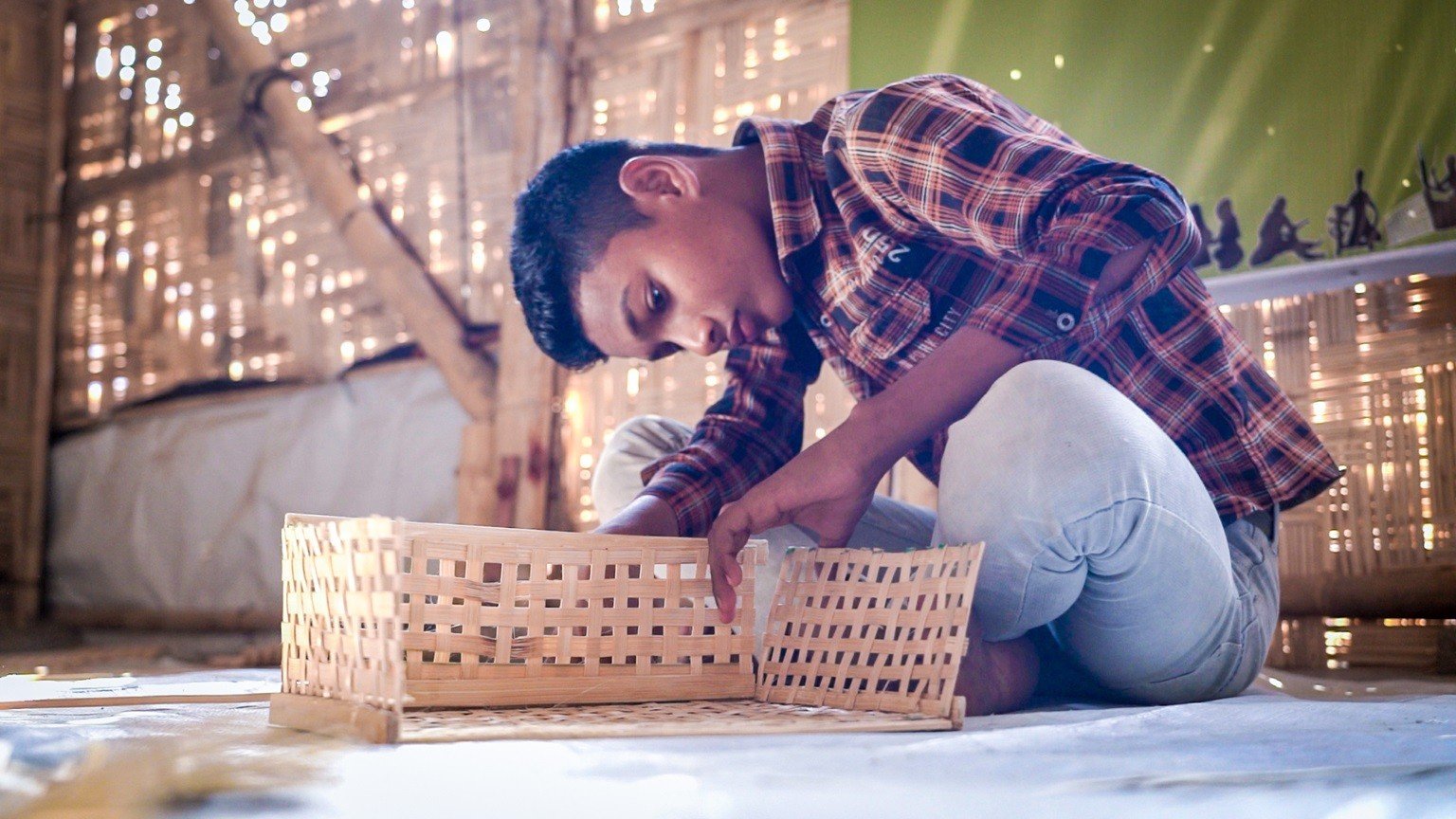
The Green Skills Development Project strengthened community resilience and promoted sustainable livelihoods in camp settings through targeted training, resource distribution, and inclusive engagement. Inception meetings with stakeholders helped raise awareness and foster local ownership of the project. Community members, particularly women, were trained in advanced agricultural techniques, with follow-up coaching to reinforce learning and support the adoption of sustainable practices. The project distributed agricultural inputs to support homestead gardening and enhance food security. Beneficiaries were also selected for upcycling and alternative income-generating activities, encouraging livelihood diversification and empowerment. Strong coordination with camp authorities and partners, along with effective feedback and grievance mechanisms, ensured transparent implementation and high community satisfaction.

Major Achievements

257

Conducted 8 inception meetings with 257 participants to strengthen stakeholder engagement and awareness.

4,367

Provided training to 4,367 individuals (99.9% women) on advanced agricultural techniques.

10,863

Distributed Agri-inputs to 10,863 beneficiaries, achieving over 90% of the summer-season target.

513

Selected 513 beneficiaries (96% women) for upcoming upcycling activities, exceeding the initial goal.

Ensured transparent implementation through strong coordination with camp authorities and NGOs.

Maintained high beneficiary satisfaction by resolving all reported issues through a robust feedback and grievance mechanism.

Major Activities

> Conducted 8 inception meetings across 8 different camps, involving a total of 257 participants, including community members, local authorities, Camp-in-Charge (CiC) representatives, and NGOs.
> These meetings facilitated awareness raising about the Green Skills Development Project, emphasizing its objectives, expected outcomes, and fostering local ownership.

> Delivered specialized training on Advanced Agricultural Technology to 4,367 individuals (4,364 women and 3 men) across all camps.
> The training incorporated practical, sustainable agricultural techniques, tailored to enhance productivity and resilience at the household level.
> The training strategy prioritized participatory methods, ensuring practical knowledge transfer and empowering women as key beneficiaries.

> Implemented household-level monitoring and coaching through two-day follow-up visits for 111 female beneficiaries in Camp 2E.
> This activity aimed to reinforce learned skills, promote good agricultural practices, and provide personalized support, demonstrating a continuous capacity-building approach and hands-on mentorship.

> Distributed essential agri-inputs to 10,863 beneficiaries (10,857 female and 6 male) —close to the target of 12,000—focusing on homestead gardening enhancement.
> The distribution process involved careful beneficiary identification and equitable allocation to maximize impact.

> Completed the beneficiary selection process for upcycling activities for 513 individuals, predominantly women (491 females vs. 22 males), exceeding the initial target.
> Recognition of gender disparities in participation led to targeted efforts in beneficiary selection, ensuring inclusiveness and equal opportunity.
> Planning for the upcoming implementation phase involves engaging selected beneficiaries in upcycling activities, enhancing livelihood diversification.

Project Objective

Project Objective

To support food production in the refugee camp to enhance supplementary food security and nutrition of households including promotion of eco-friendly production materials through up/re-cycling activities.

Geographical Coverage

Geographical Coverage

Camp 1E, 1W, 2E, 3, 4Ext, 6, 8W, 17 & 20, Ukhiya, Cox’s Bazar.

Targeted Beneficiaries

Targeted Beneficiaries

10,863 (Female: 10,857, Male: 6)

Project Status: ongoing
📅 Project Duration
01/04/2025 - 31/01/2026
Scroll to Top