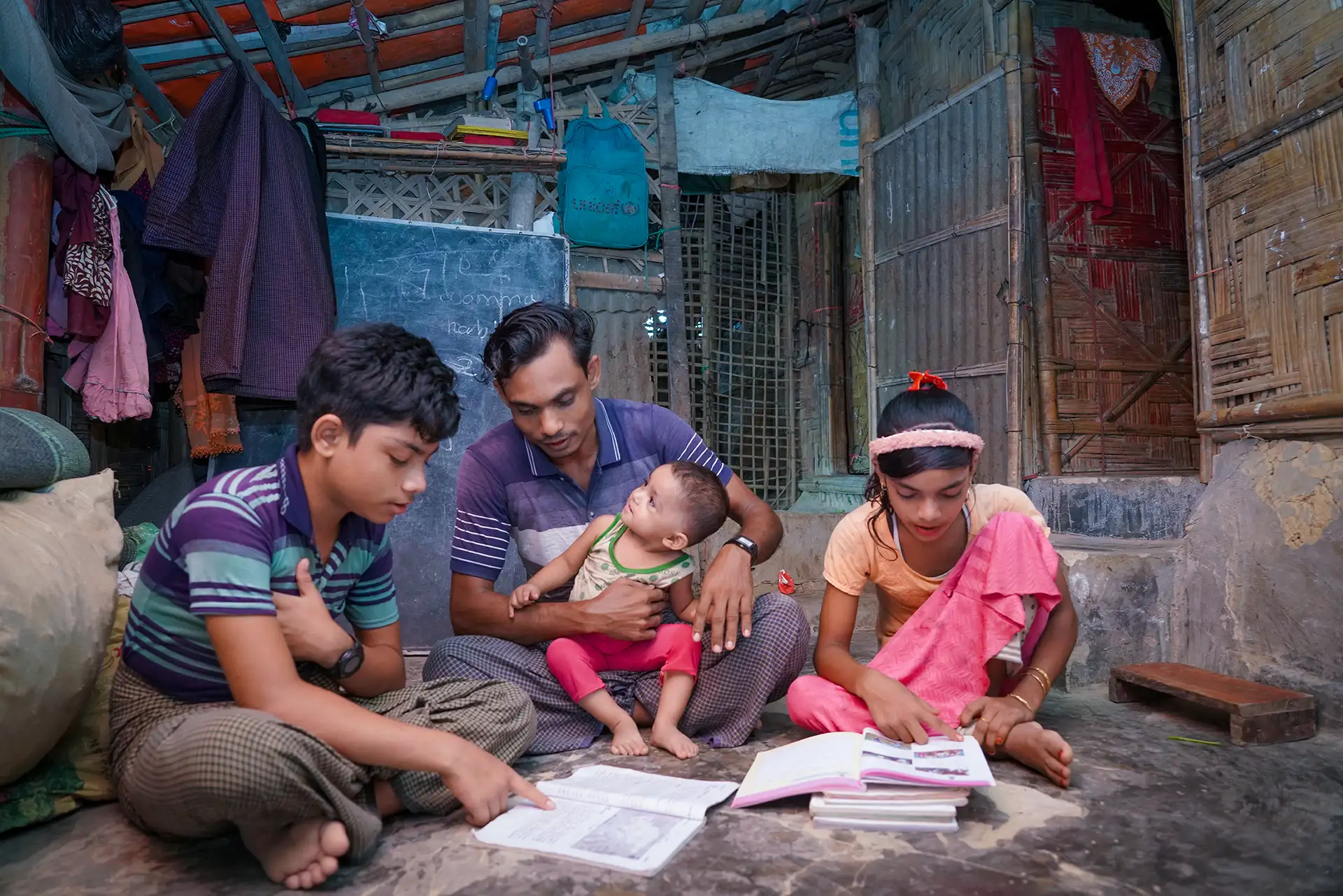
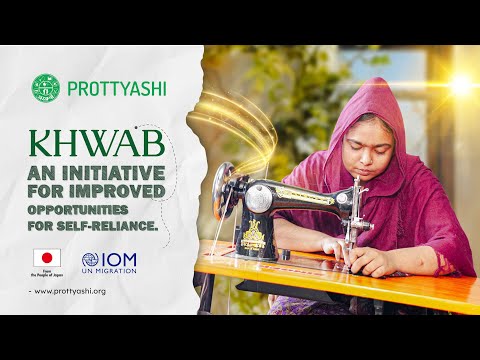
Leaving no one behind: improving skills and economic opportunities for the Bangladeshi community and Rohingya women and youths in Cox’s Bazar
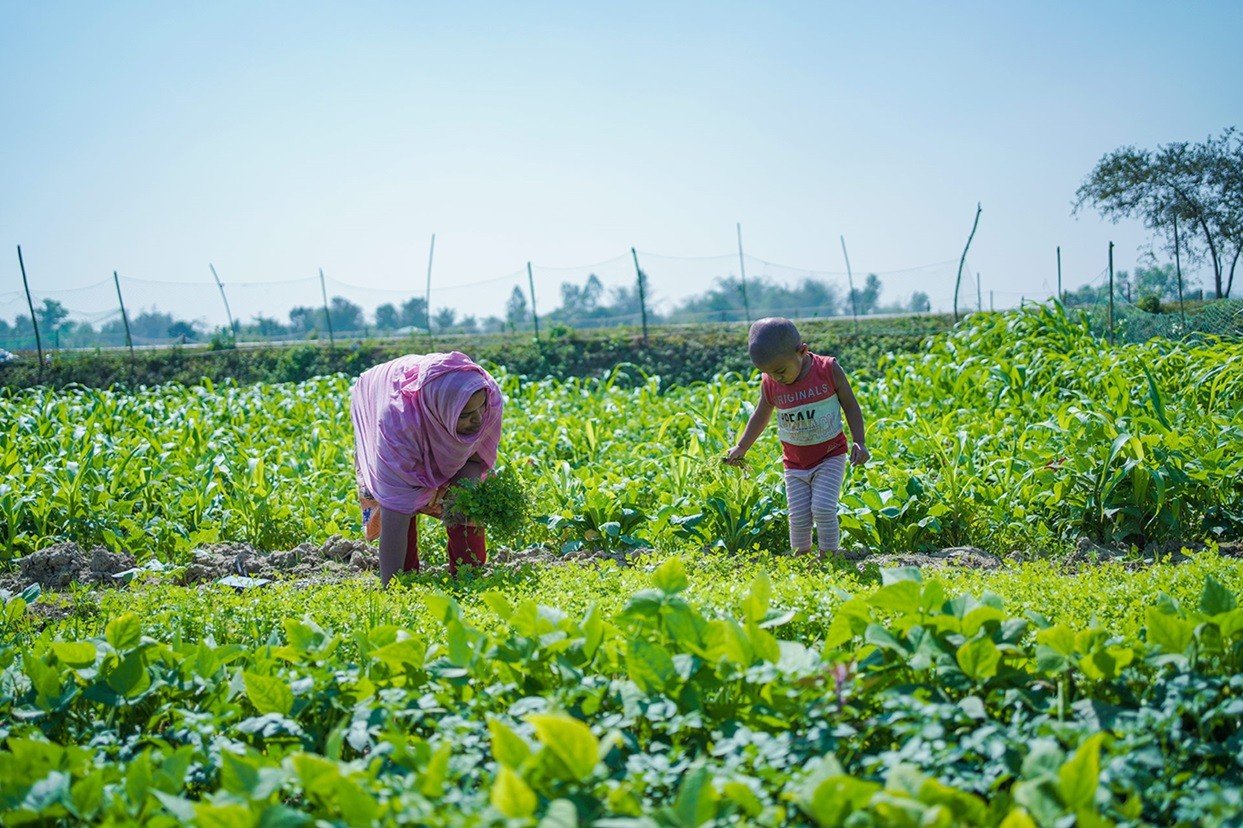
The project will be identifying Rohingya youths of aged between 18-24 years through conducting baseline survey at the targeted camps and be selecting the 900 targeted project beneficiaries according to the beneficiary selection criteria to be set in consultation with IOM, Generally, the project will be prioritizing the youths having strong willingness to engage with self-reliance activity, having not engaged with other self-reliance activity, of households having more than 6 members, lactating mothers, pregnant women, children or Infants of 0-5 years, have elderly persons aged above 60 years, have persons with chronic illness and disability etc. Among the identified beneficiaries, the project will be selecting 50% women i.e., 400 women and at least 1% person with disability (PWD) i.e., 8 PWD. The project will be identifying and selecting the youths irrespective of any sort of discrimination in race, color, religion, language or any socioeconomic aspect. Through the baseline survey capabilities gap of the Rohingya women and youths will be identified as well as camp level of mapping will be done to allocate trades among the women and youths.
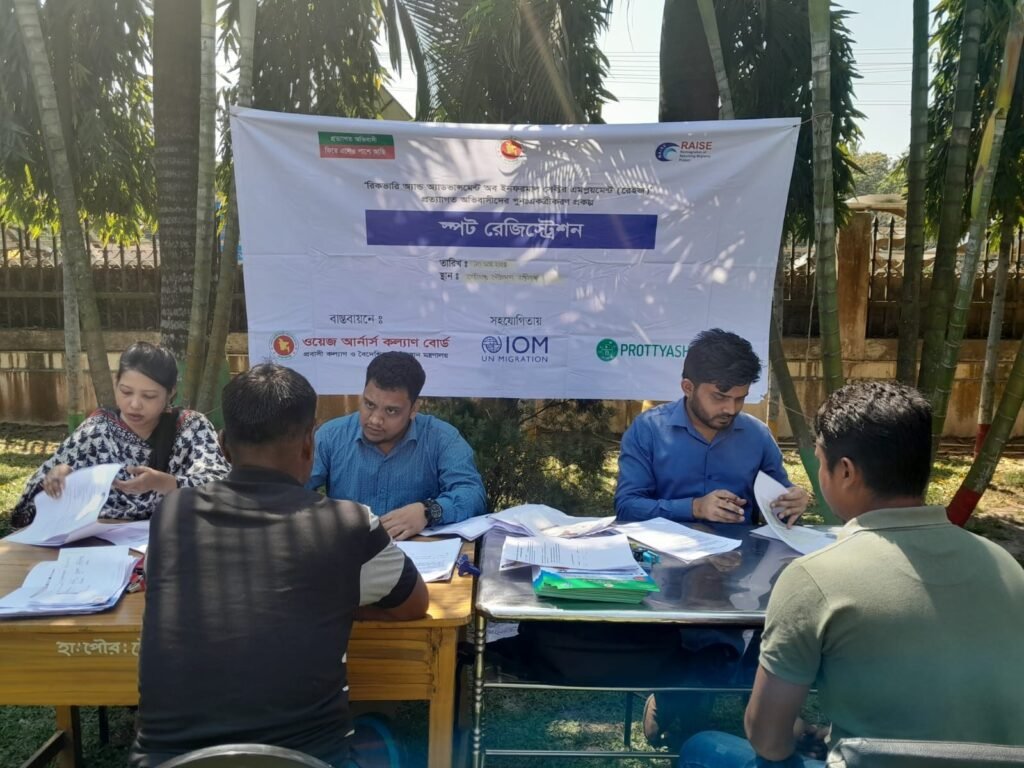
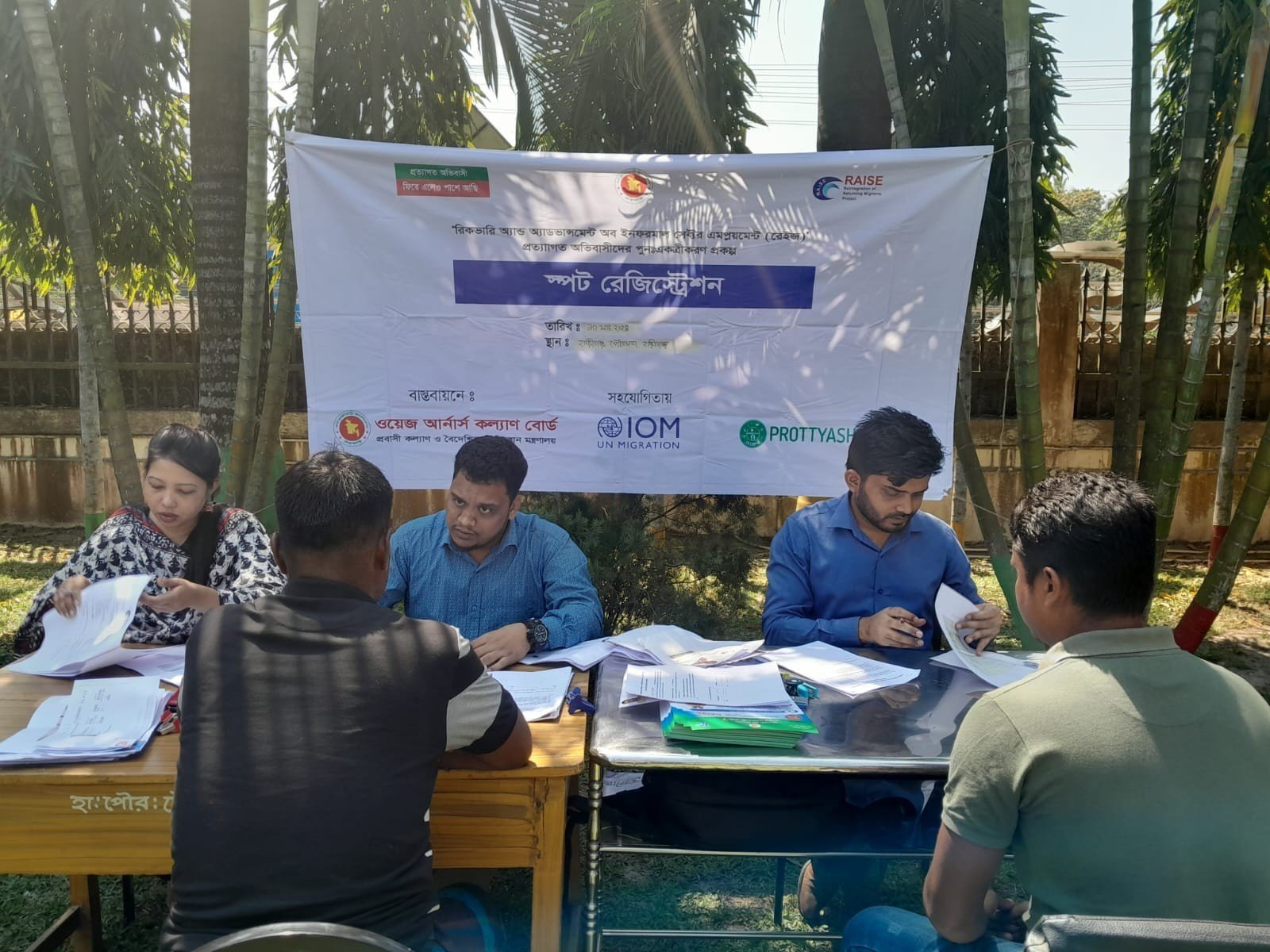
During beneficiary selection, the project will be providing skill counselling to the primarily identified beneficiaries on the services the project is offering to the beneficiaries including vocational training facilities, self-employment and wage employment opportunities as well as the anticipated impact of the project on their life during their stay in the camps and even after their repatriation to their homeland in Myanmar through courtyard sessions. Skill counselling will emphasis on the importance of receiving skill development training as well as on the aspects how these training facilities will improve their life and promote wellbeing.
Major Achievements
615
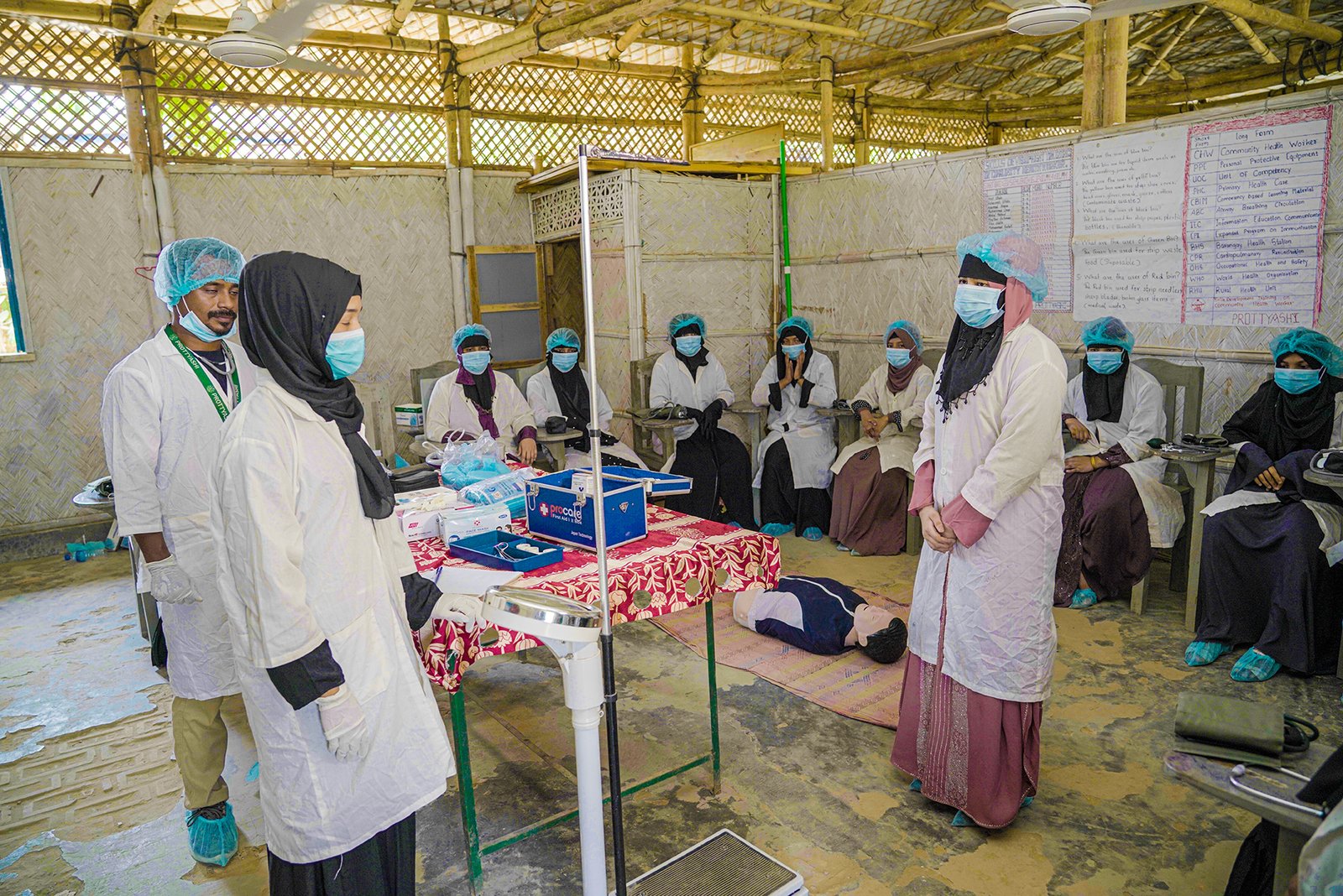
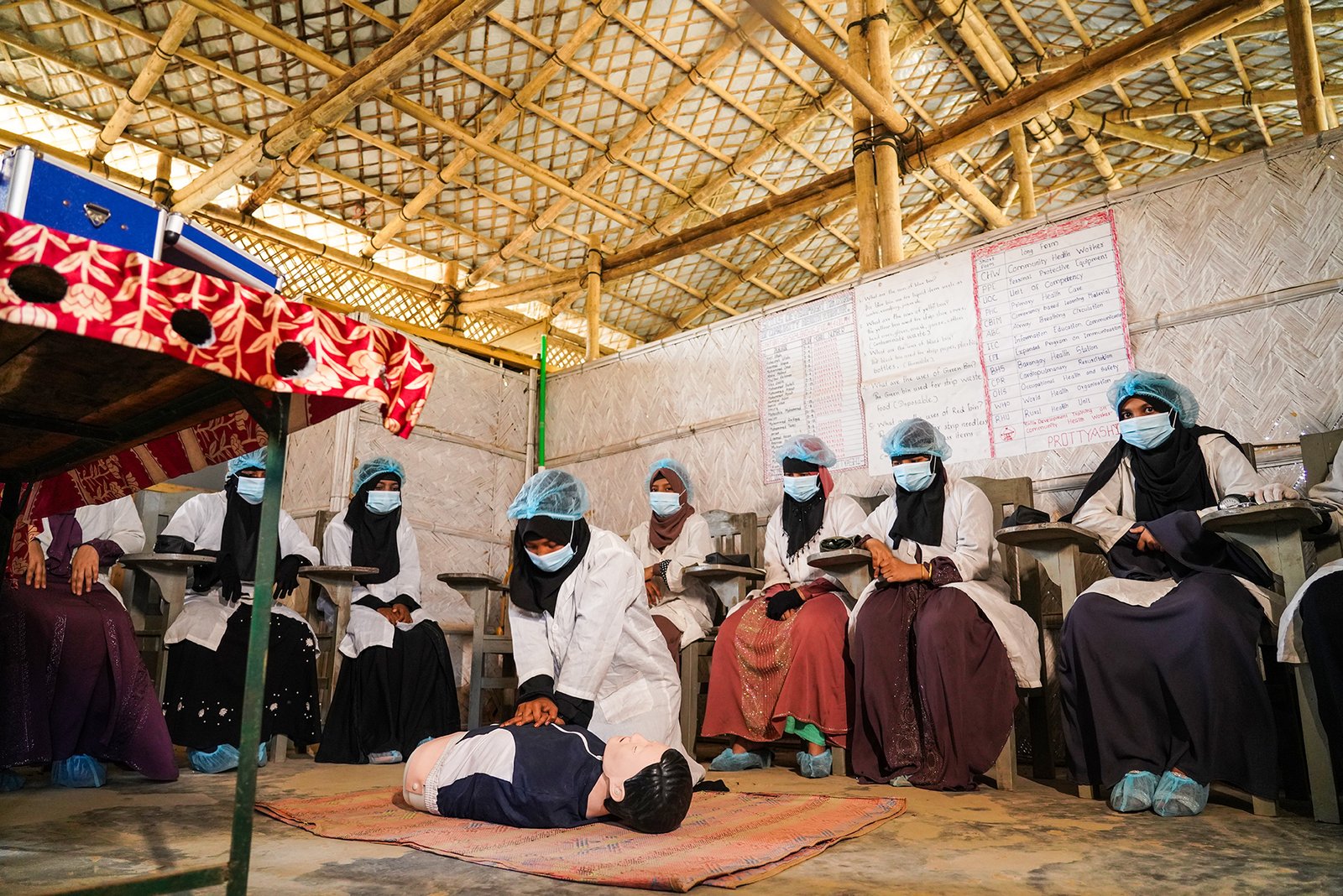
beneficiaries (including 218 females and 9 persons with disabilities) declared competent through independent assessment (77.16% competency rate).
797
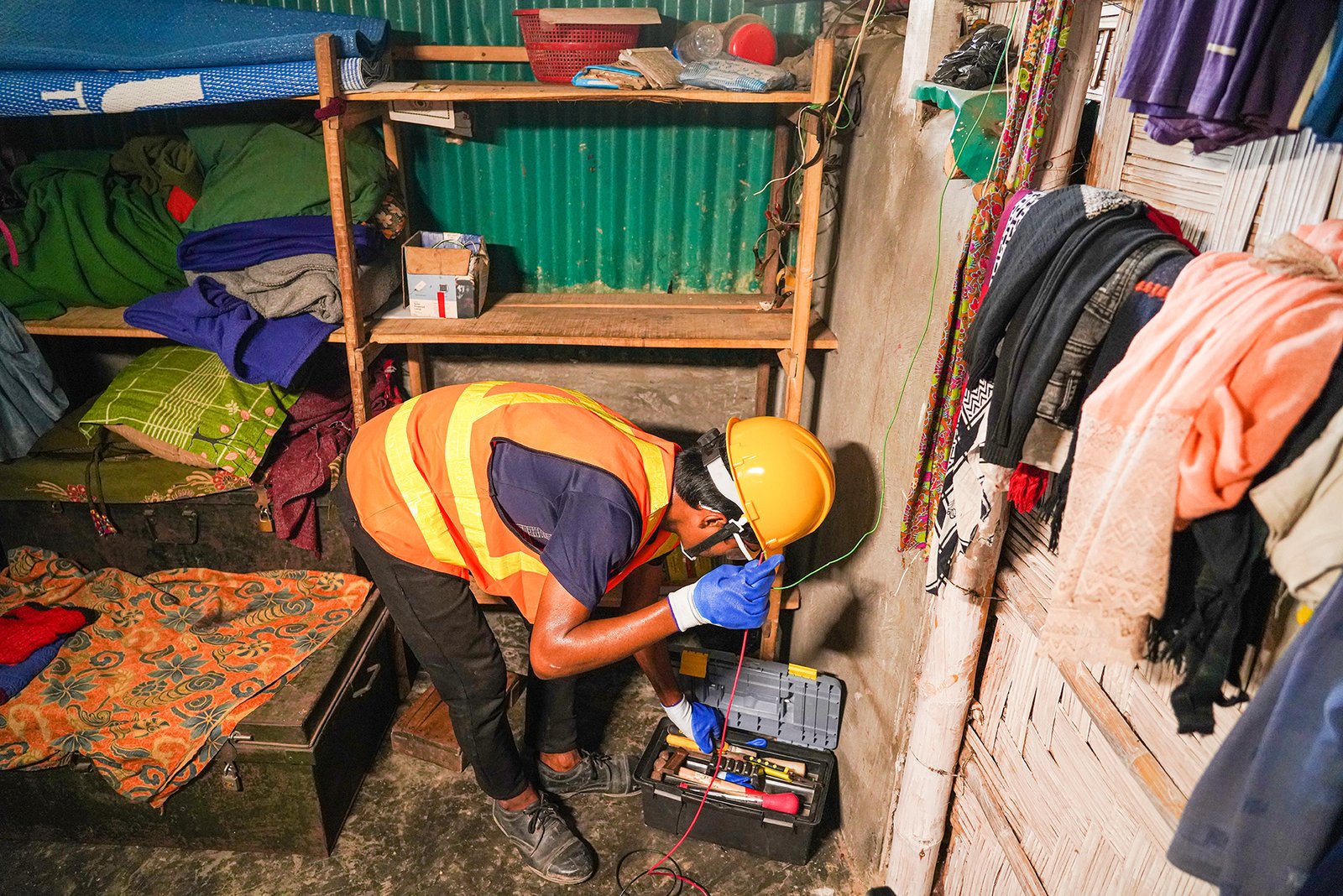
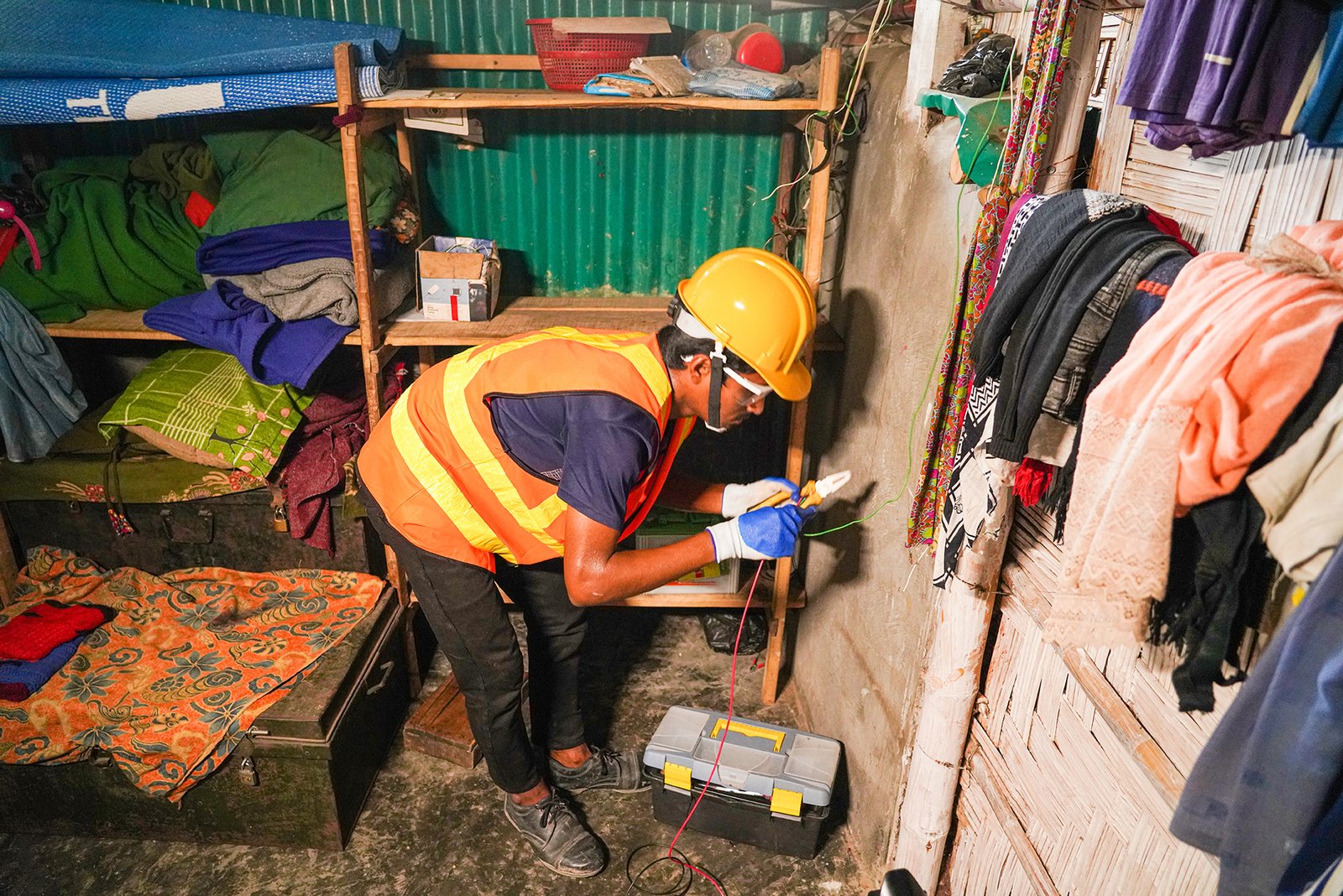
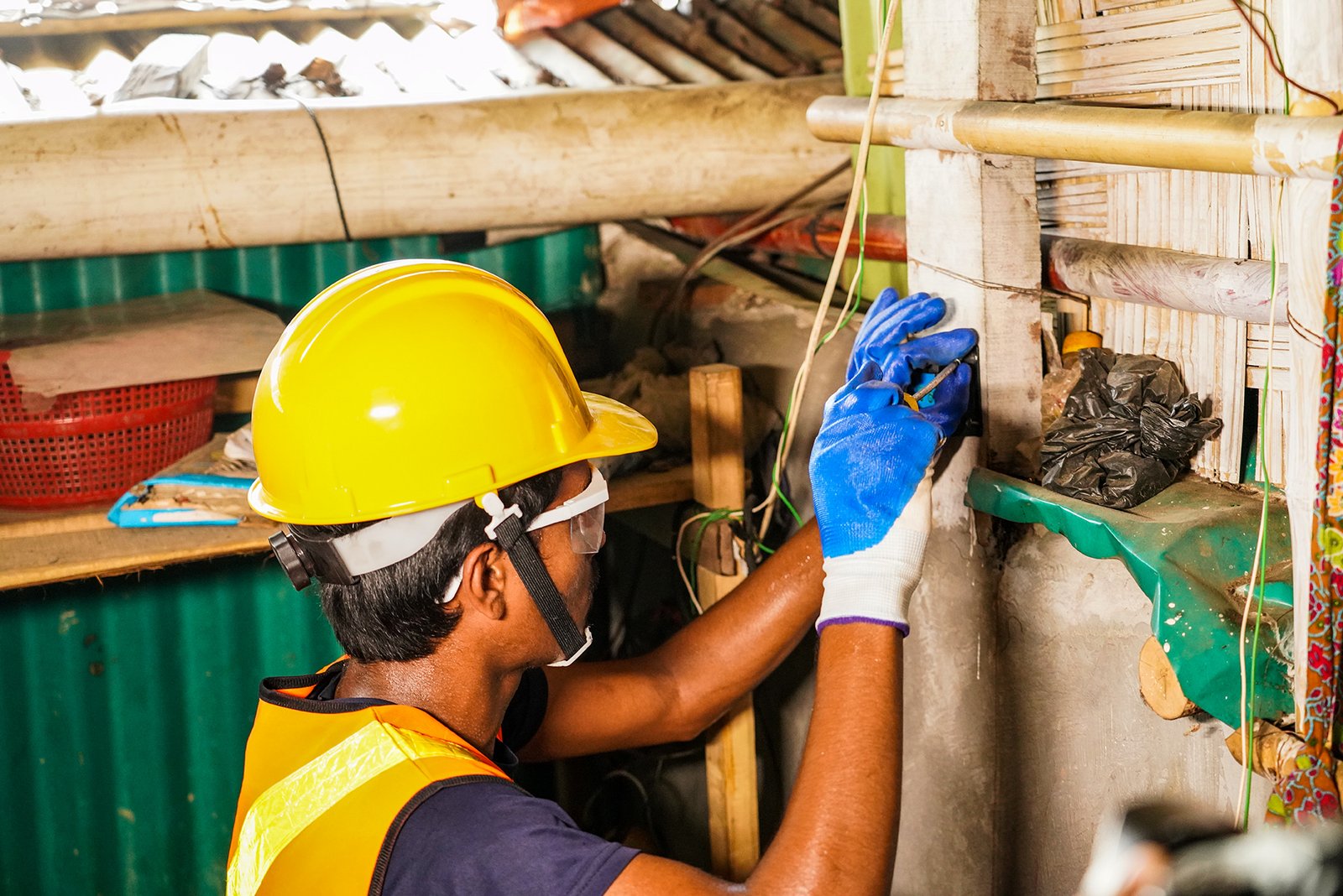
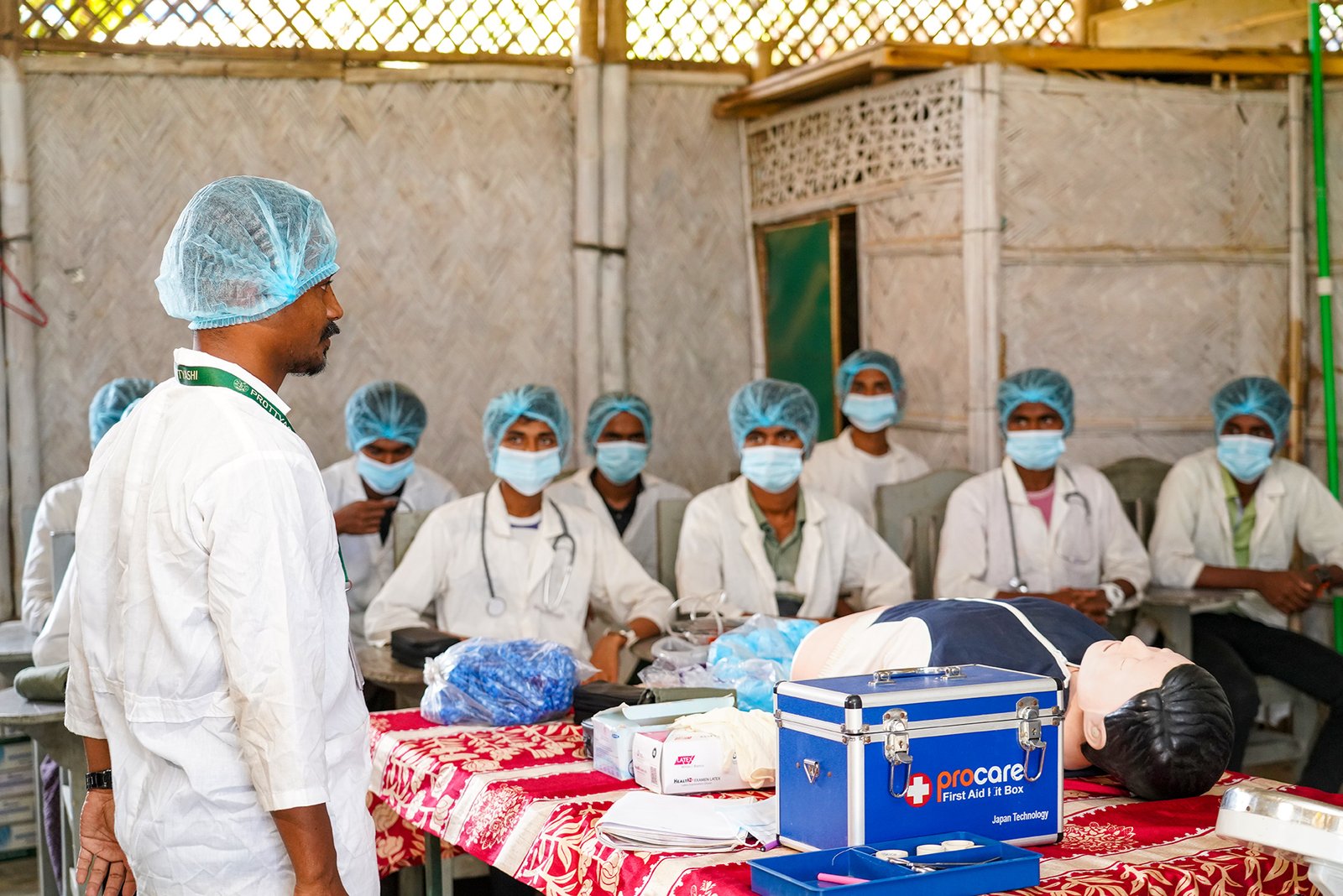
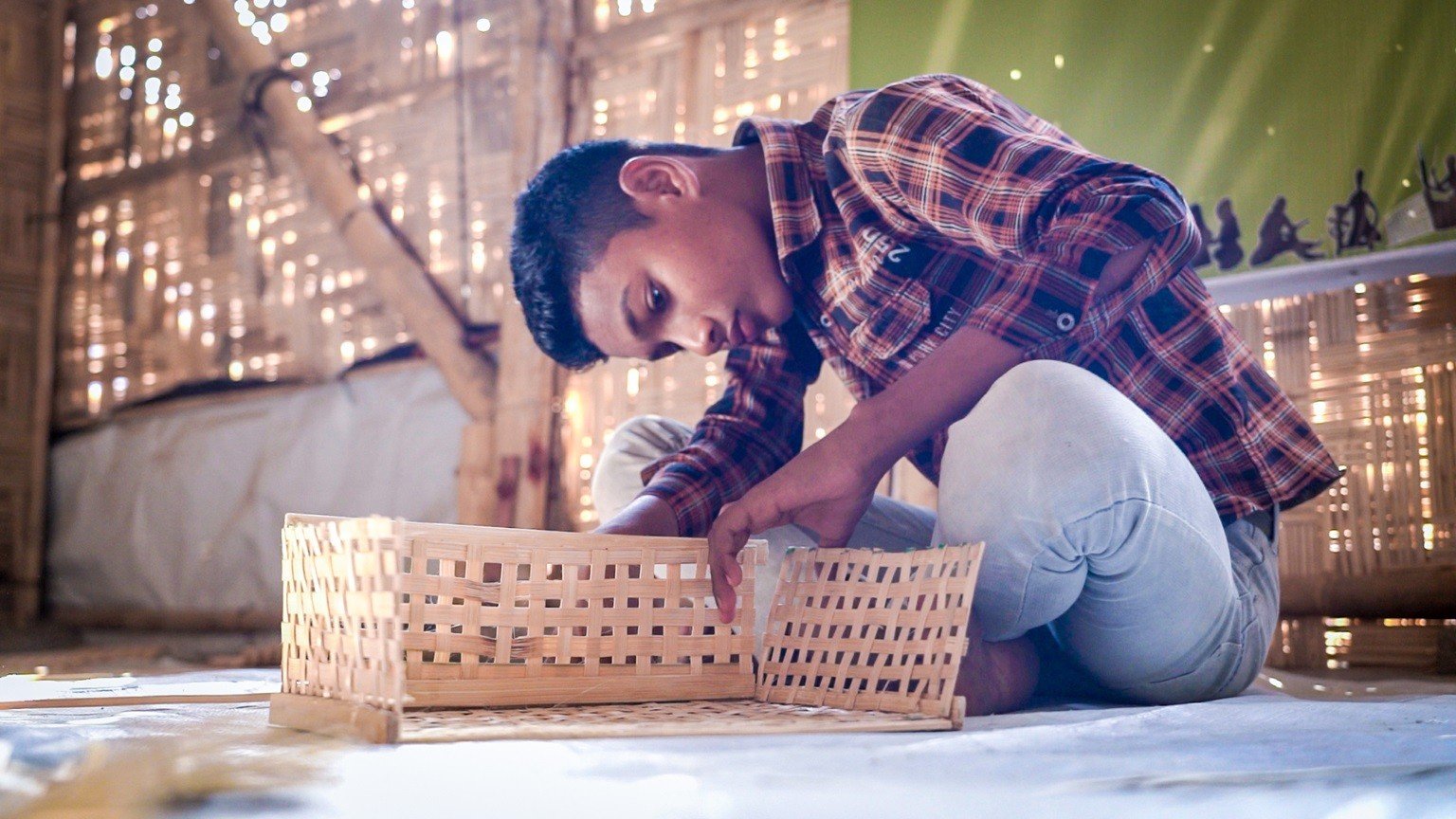
youth completed 72 days of accredited vocational training in four trades.
350
graduates (including 108 females) engaged in wage employment through volunteer jobs with NGOs like WHO, CARE, BDRCS, and ActionAid.
257
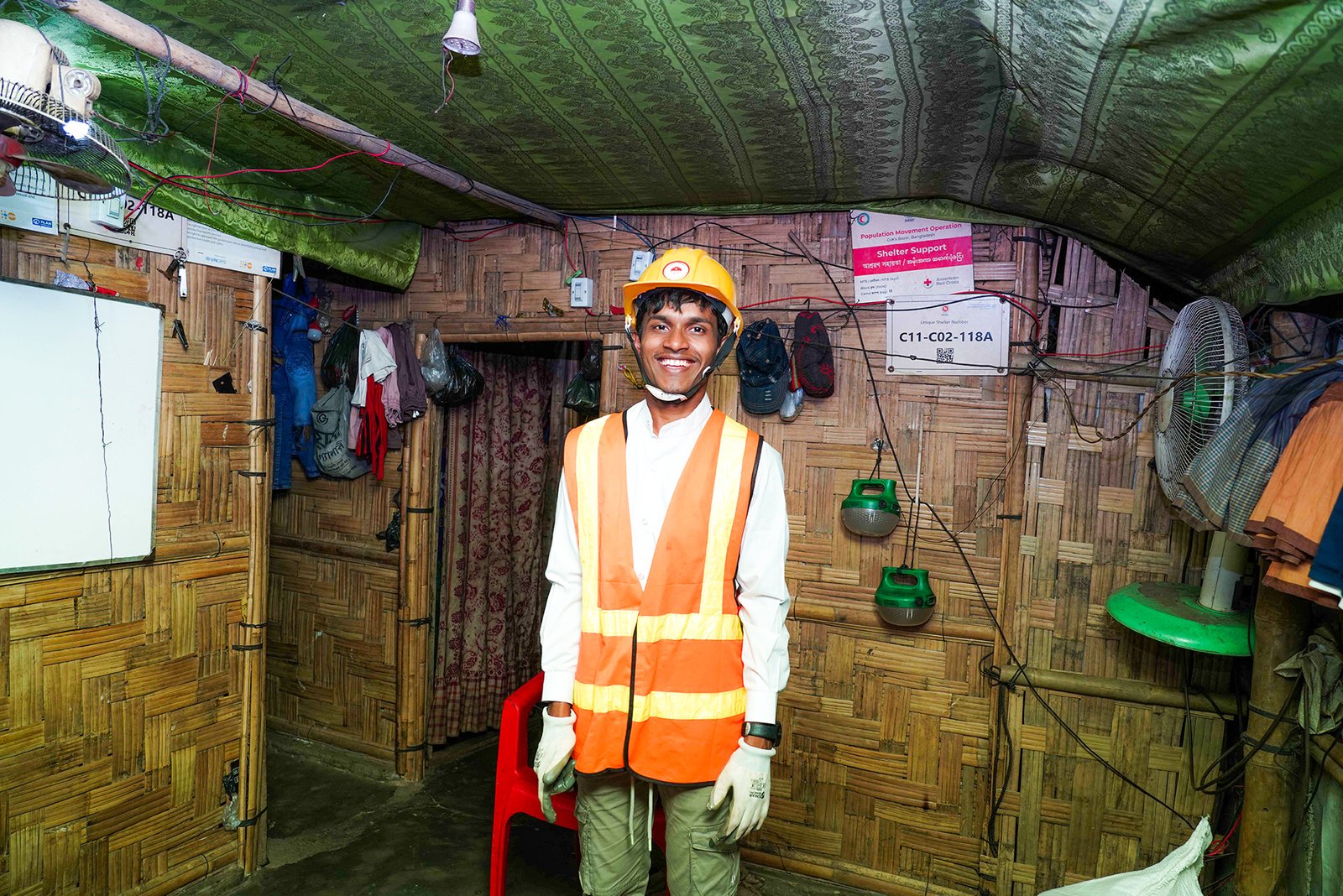
graduates (including 104 females) started self-employment using in-kind support worth BDT 27,000 per person.
2,513
youth received skill counselling, including 1,112 females.
337
beneficiaries received certificates through biometric verification.
99%
of self-employed beneficiaries reported income generation; 85% observed positive family impact.
Major Activities

Objective
Improved gender-responsive and environmentally friendly transferable skills in preparation for voluntary repatriation and sustainable reintegration through a gender-inclusive approach in alliance with Myanmar’s skills development system where applicable.

Geographical Coverage
Camp 15 and camp 11 in refugee settlements Cox’s Bazar district, Bangladesh

Targeted Beneficiaries
800 Rohingya Youths aged between 18-24 years with 50 % women (400) and 1% Person with Disability (8)
Programme Highlights
New research underscores the centrality of play in early childhood development
Play Labs are safe spaces where children can engage in playful learning activities to foster their growth and development. New research reveals play can improve children’s development and reduce learning gaps.
Play Labs research brief: Bangladesh
A comprehensive two-year study of Prottyashi’s Early Learning model in Bangladesh has demonstrated that this innovative intervention successfully accomplished one of the most important yet challenging objectives of early childhood education. The program ensured that when children begin formal schooling, they enter with an equal level of developmental readiness, allowing every child regardless of their background.
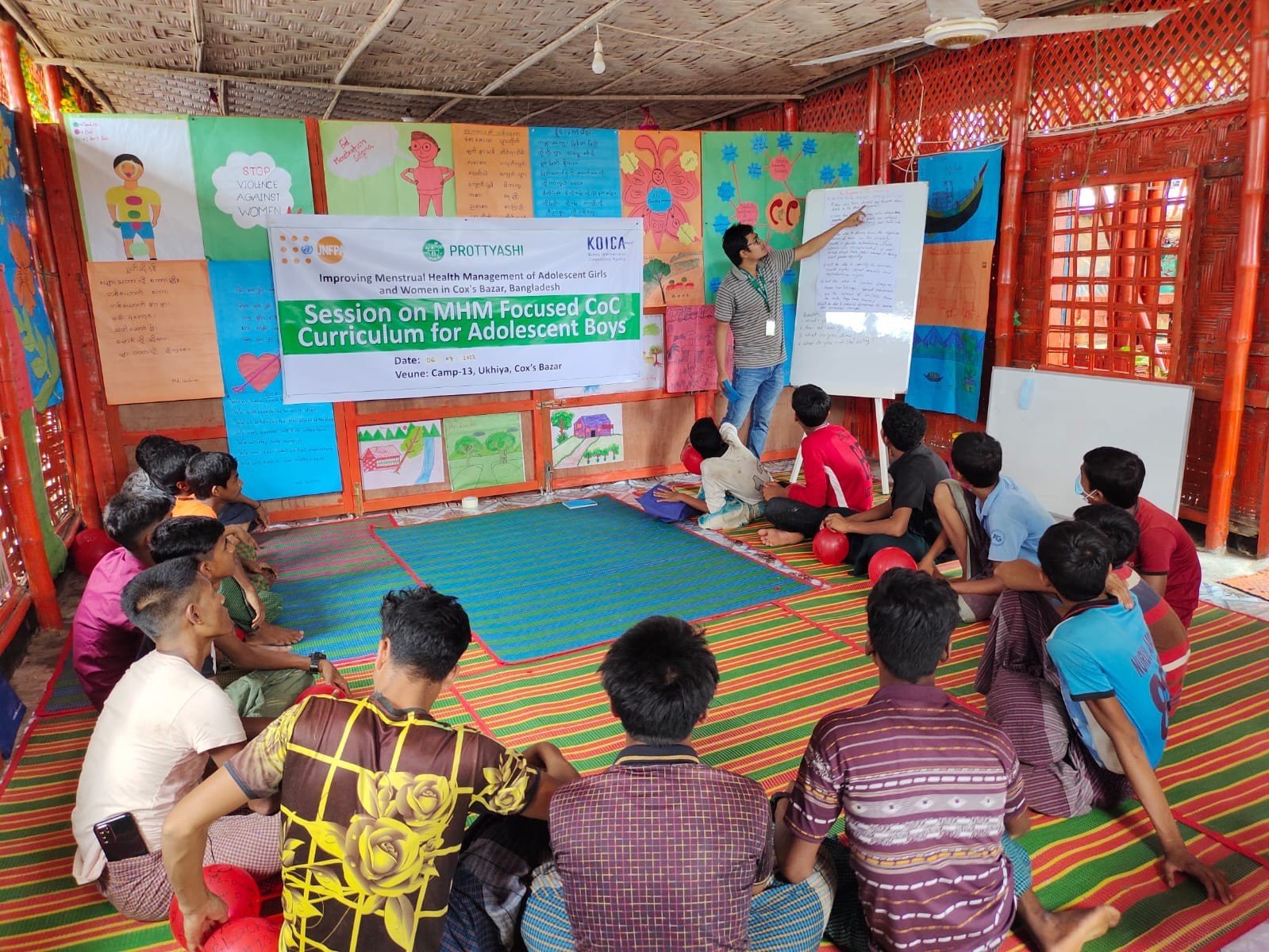
At Prottyashi, our most vital programs for vulnerable families rely on the compassion and generosity of people like you.”
At PROTTYASHI we believe in building a world that works for all of us.
❤️ DonateOur Impact in Action
Project Video
Through play, children build creativity, social skills, self-confidence, and resilience. Hear from Play Lab staff, parents, and children and discover the power of play in Tanzania and Uganda.
Project Gallery